Vietnam SIM/eSIM, Essential Apps, Airport Power Bank & Drone Rules (2026)
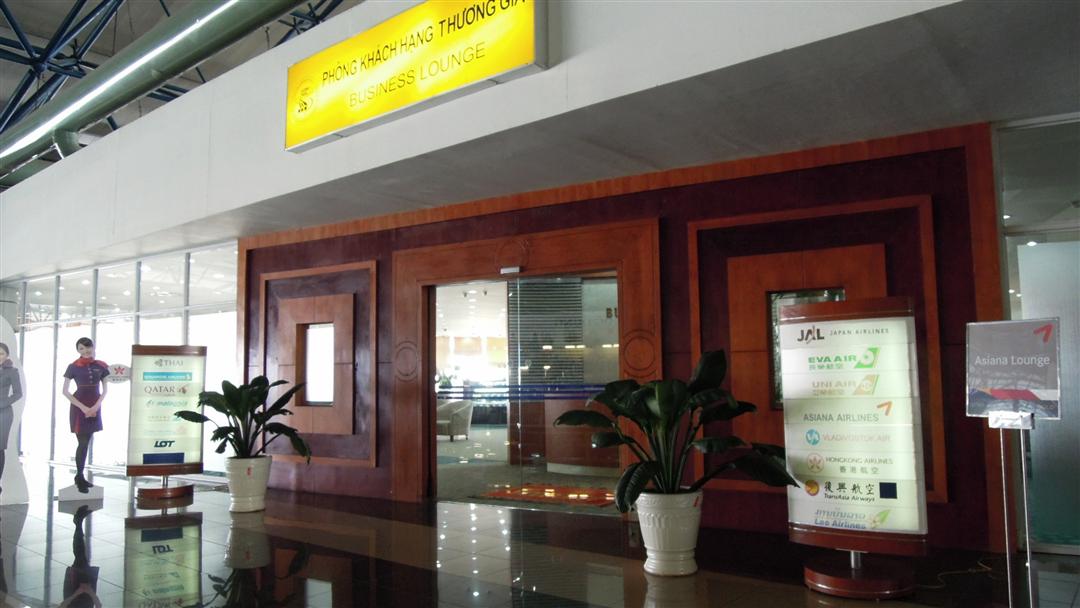
Photo David McKelvey from Brisbane, Australia · CC BY 2.0 · Resized

5-Second Summary
Pick Viettel for mountains and remote islands (or VinaPhone in cities), use an eSIM so your home SIM stays active for bank OTPs, install Grab, Xanh SM, and Zalo before boarding, pack power banks in carry-on luggage only (max 100Wh), and check registration, flight restrictions and permit requirements before flying a drone (flycam).
1. Viettel vs. VinaPhone vs. MobiFone & The Passport-Registration Rule
Mobile data in Vietnam is fast and inexpensive, with widespread 4G and expanding 5G in major cities. However, carrier choice matters the moment you leave Hanoi, Da Nang, or Ho Chi Minh City.
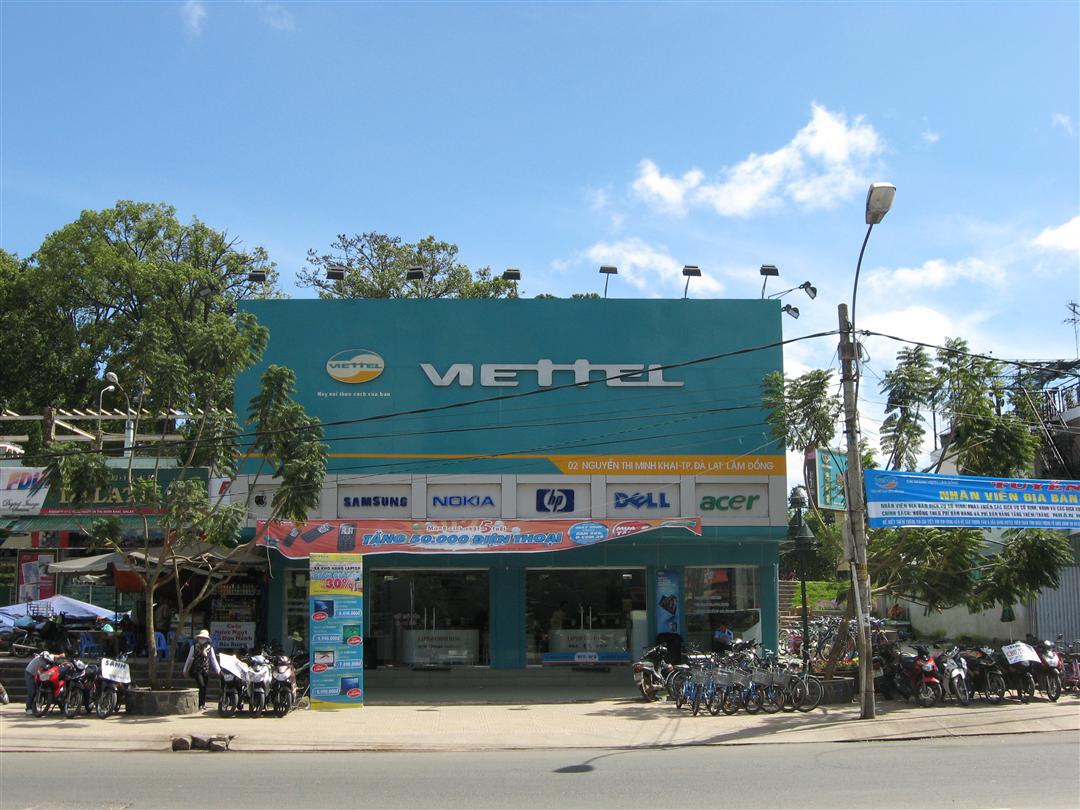
Photo Diane Selwyn · CC BY-SA 3.0 · Resized

| Carrier | Best Coverage | Who Should Pick It |
|---|---|---|
| Viettel | #1 in rural areas, mountain passes & islands | Best overall—especially for Ha Giang, Sa Pa, Central Highlands, and Phu Quoc |
| VinaPhone | Strong nationwide 4G/5G | Great backup in cities, beaches, and major highways |
| MobiFone | Solid in major urban & coastal hubs | Fine for city-only trips (Hanoi, Da Nang, HCMC), weaker in deep mountains |
- eSIM vs. Physical Airport SIM: Before buying an eSIM, confirm your phone is carrier-unlocked. An eSIM is ideal because you land connected and keep your home physical SIM in the tray (with data roaming OFF) to receive bank 2FA/OTP texts.
- Avoid Pre-Activated Street SIMs: Vietnamese telecom rules require physical SIM cards to be registered with your original passport. Unregistered or "pre-activated" street SIMs are frequently blocked within days. Buy at licensed airport arrival kiosks (Vietnam Tourism – Guide to Vietnam's Airports) or official downtown carrier stores.
2. Essential Vietnam Apps to Set Up Before You Fly
Install and verify these apps before leaving home while you can still receive SMS verification codes on your regular number:
- Grab & Xanh SM (Rides & Food): Grab is Vietnam's all-in-one ride-hailing and food app; Xanh SM runs clean, quiet VinFast electric taxis and motorbikes with fixed metered/app fares—zero haggling.
- Zalo (Local Messaging): WhatsApp works in tourist hubs, but almost every local homestay host, bus agent, and Easy Rider in Vietnam communicates via Zalo. Register with your home phone number before departing.
- Google Maps & Google Translate (Offline Packs): Download offline maps for Hanoi, Da Nang, and HCMC plus the Vietnamese offline language pack (and use the camera lens for local menus).
- Trains & Buses: Book national trains directly on the official Vietnam Railways portal (dsvn.vn) or check intercity sleeper buses via Vexere.
- Link Your Card to Grab Before Flying: Add your Visa/Mastercard to Grab at home while you can still receive bank 3D-Secure SMS codes so card payments work seamlessly the moment you land.
- Weather, Air Quality & Public Transit: Install Windy / IQAir (helpful for winter AQI in Hanoi) alongside Vietnam's official weather portal nchmf.gov.vn, plus BusMap / VinBus for affordable electric buses and urban metro lines.
3. Flycam / Drone Laws in Vietnam (Decree 288/2025 & No-Fly Zones)
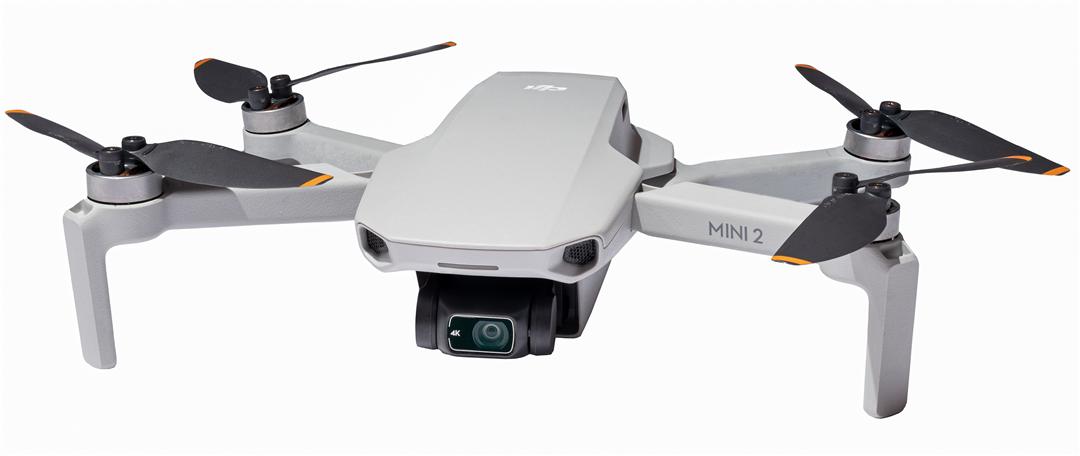
Photo Florian Fuchs · CC BY-SA 4.0 · Resized

- If your flight requires a permit, confirm the competent authority and apply before traveling.
- Strict No-Fly & No-Photo Zones: Never fly a drone or take photos near military bases, border zones, airports, or restricted government sites such as Hanoi's Ba Dinh Square (GOV.UK Vietnam Safety & Security).
Handheld Cameras (GoPro / Osmo Pocket): Permit restrictions apply to unmanned aerial drones (flycams) only. Handheld action cameras, gimbals, and mirrorless cameras are completely fine in public tourist areas (unless a site posts a specific no-photography sign).
4. Airport Terminals, Power Bank Limits & Public Wi-Fi Safety
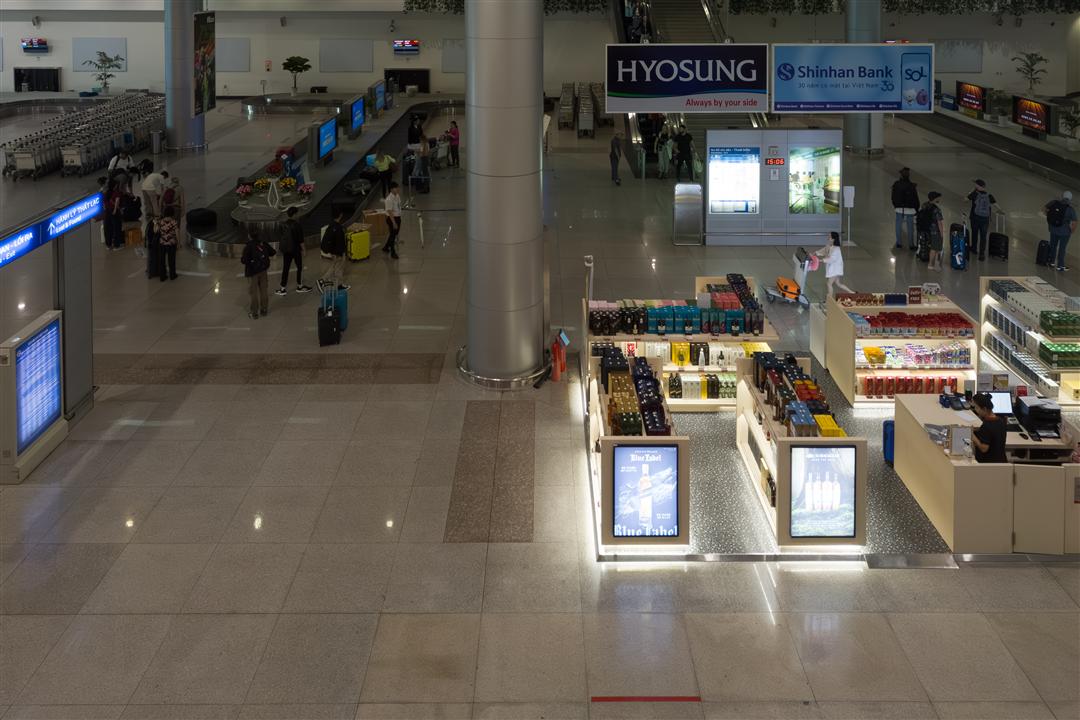
Photo Matti Blume · CC BY-SA 4.0 · Resized

- Power Banks in Carry-On Luggage ONLY: Airlines and airport security across Vietnam strictly prohibit lithium power banks in checked bags. Pack power banks in your cabin bag, make sure the capacity label is legible, and keep each unit at or below 100Wh (~27,000 mAh at 3.7V) unless pre-approved by your airline.
- Navigating Major Airports: Terminal 1 (domestic) and Terminal 2 (international) at both Noi Bai (Hanoi) and Tan Son Nhat (HCMC) are separate buildings connected by shuttle buses or a 500m covered walkway—allow extra transfer buffer (Vietnam Tourism Airports Guide). Keep your e-Visa (evisa.gov.vn) downloaded offline.
- Check your operating airline’s limits on power bank capacity, quantity and storage. Keep power banks in carry-on baggage with readable capacity markings. Vietnam Airlines
- 220V Power & Plug Adapters: Vietnam runs on 220V / 50Hz with Type C (two round pins) and Type A (two flat pins) outlets. Travelers bringing UK (Type G) or Australian (Type I) 3-pin plugs should pack a universal travel adapter.
- Public Wi-Fi & Booking Phishing Scams: Avoid open lookalike airport Wi-Fi hotspots and use 4G/5G or a VPN for banking. Be wary of WhatsApp/email phishing links pretending to be your hotel or Booking.com asking to "re-verify your credit card"—always check inside the official booking app directly.
- Related Practical Guides: Pair this setup with our Vietnam Money & ATM Guide, Vietnam Transport Guide, and First Time in Vietnam Guide.
5. Frequently Asked Questions
1. Which mobile carrier is best in Vietnam—Viettel, VinaPhone, or MobiFone?
Viettel has the widest rural and mountain coverage (Ha Giang, Sa Pa, Central Highlands), VinaPhone is a solid nationwide backup, and MobiFone works best in major cities.
2. Should I buy an eSIM or a physical SIM at the airport?
An eSIM is easiest if your phone is unlocked because you keep your home SIM active for bank OTPs. For physical SIMs, register with your passport at licensed airport booths or official carrier stores.
3. Can tourists fly a drone (flycam) in Vietnam without a permit?
Article 30 of the Law on People’s Air Defence exempts recreational aircraft with a maximum takeoff weight under 250 g from the flight permit when flown within unaided visual line of sight and outside prohibited or restricted areas. Article 31 requires foreign operators to have a Vietnamese organization or individual act as guarantor under the applicable rules. Check registration, flight notification and operating approval requirements before traveling.
4. Can I put a power bank in my checked suitcase on domestic flights in Vietnam?
No. Power banks must go in carry-on cabin luggage only (generally max 100Wh with visible labels).
5. Which apps should I install before landing in Vietnam?
Install and verify Grab, Xanh SM, Zalo, and offline Google Maps & Google Translate before leaving home.
Author Note: Independently researched and field-checked by van-anh-tuixinh with zero sponsorships. Read more on our About page or reach out at tuidep1986@gmail.com.