Vietnam Vegetarian, Vegan & Food Allergy Survival Guide: Screenshot Cards & Hidden Ingredient Traps
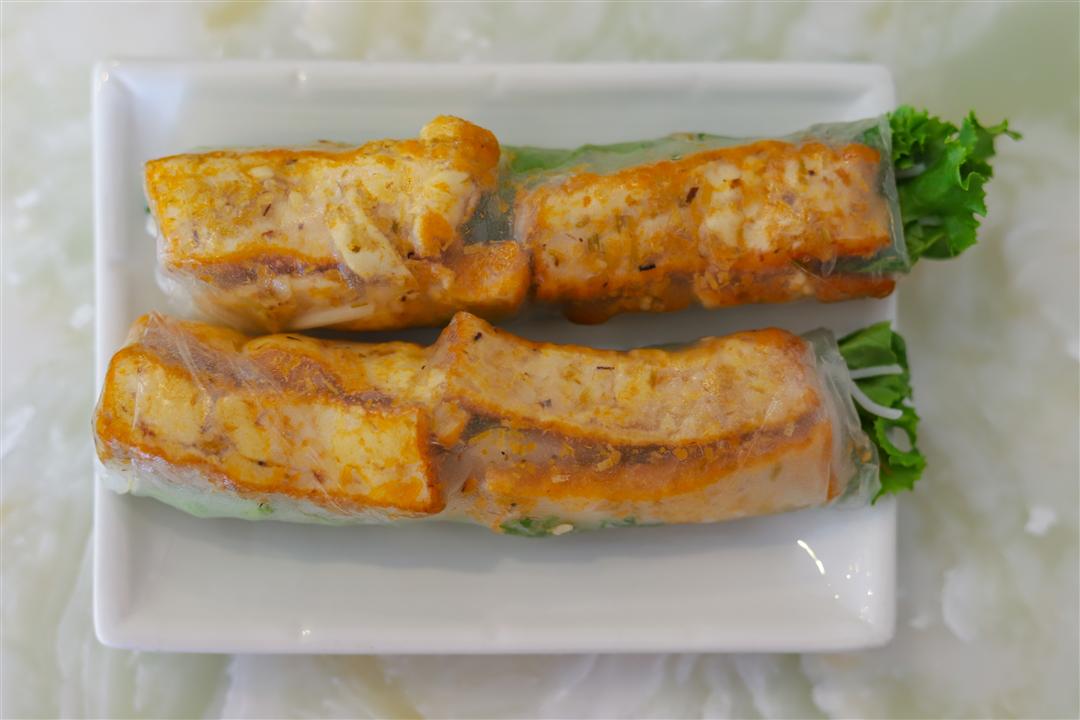
Photo Paul R. Burley · CC BY-SA 4.0 · Resized

5-Second Summary
Look for green signs reading Cơm Chay or Quán Chay (Buddhist plant-based eateries, typically 100% vegan), never assume a vegetable dish at a regular street stall is free of nước mắm (fish sauce) or bone broth, screenshot the Vietnamese dietary cards below, and always carry your own EpiPen if you have severe allergies.
1. How "Chay" Works in Vietnam (and Hidden Street-Food Traps)
Vietnam is one of Asia's easiest countries for plant-based travelers—provided you know where to look. Buddhist vegetarian culture is deeply rooted nationwide, and on the 1st and 15th days of the lunar month, even neighborhood markets expand their meat-free stalls (Vietnam Tourism – A Vegetarian Guide to Vietnam).
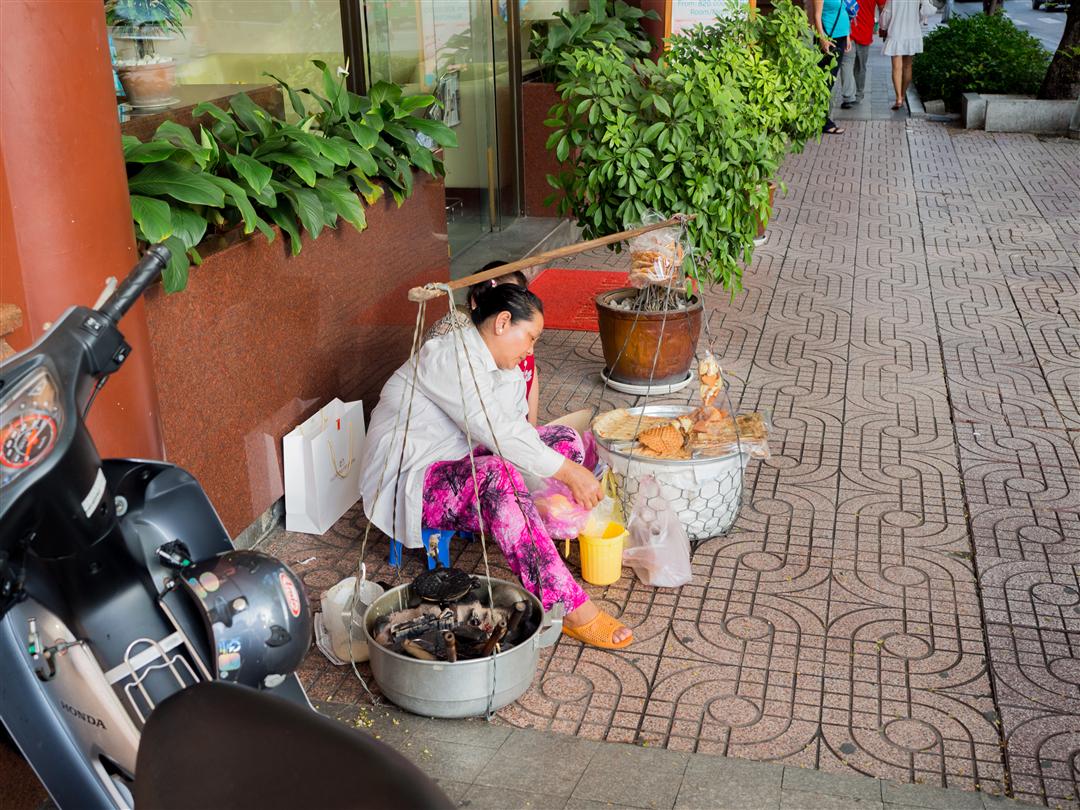
Photo Esin Üstün from Istanbul, Turkey · CC BY 2.0 · Resized

- Look for "Cơm Chay" or "Quán Chay": Dedicated Buddhist vegetarian restaurants are almost always 100% vegan (no meat, fish, eggs, dairy, or fish sauce). Strict Buddhist kitchens also skip garlic and onions (ngũ vị tân), while modern urban vegan cafés use them freely.
- Watch Out for "Vegetable" Dishes at Regular Restaurants: Ordering stir-fried greens (rau muống xào) or vegetable soup at a non-vegetarian spot often comes with hidden animal products:
- Nước mắm (fermented fish sauce) — used as the default salt/umami base in dipping sauces, marinades, and stir-fries.
- Hạt nêm (pork or chicken bouillon powder) — sprinkled into almost every everyday stir-fry and soup.
- Nước dùng xương (pork/beef/chicken bone broth) — used in Phở, Bún, and Hủ tiếu even if you ask for "no meat" (không thịt).
- Mắm tôm / Mắm ruốc (fermented shrimp paste) & Tôm khô (dried shrimp) — hidden in rice paper snacks, Bún riêu, and green papaya salads.
- Bơ & Sữa đặc (butter/margarine & sweetened condensed milk) — standard in Bánh mì pâté spreads and Vietnamese iced coffee (cà phê sữa đá).
2. Screenshot-Ready Vietnamese Flashcards for Servers
Screenshot the card that fits your needs and show it before ordering. Fill in your exact allergens on the allergy cards. If staff cannot confirm the ingredients or how the dish is prepared, choose a place that can confirm your requirements.
Card 1 · Strict vegan
Tôi ăn thuần chay. Xin làm món hoàn toàn từ thực vật. Tôi không ăn thịt, cá, hải sản, trứng, sữa, mật ong, nước mắm, mắm tôm, nước dùng từ xương hoặc hạt nêm từ thịt.
I eat only plant-based food. Please leave out meat, fish, shellfish, eggs, dairy, honey, fish sauce, shrimp paste, bone broth and meat-based seasoning.
Card 2 · Vegetarian · eggs and dairy are OK
Tôi ăn chay và có thể ăn trứng, sữa. Xin không dùng thịt, cá, hải sản, nước mắm, mắm tôm, nước dùng từ xương hoặc hạt nêm từ thịt.
I am vegetarian and can eat eggs and dairy. Please leave out meat, fish, shellfish, fish sauce, shrimp paste, bone broth and meat-based seasoning.
Card 3 · Peanut or tree nut allergy
CẢNH BÁO DỊ ỨNG. Tôi bị dị ứng với: ______ (đậu phộng/lạc, hạt điều hoặc loại hạt ghi cụ thể). Xin kiểm tra dầu, bơ hạt, nước sốt và đồ rắc lên món. Xin dùng chảo, dầu và dụng cụ riêng, sạch. Nếu không chắc thành phần, xin báo tôi trước khi làm món.
ALLERGY ALERT. I am allergic to: ______ (peanuts, cashews or the specific tree nuts listed). Please check oils, nut butters, sauces and toppings. Use separate clean cookware, utensils and oil. If you are unsure about an ingredient, please tell me before preparing the dish.
Card 4 · Fish or shellfish allergy
CẢNH BÁO DỊ ỨNG. Tôi bị dị ứng với: ______ (cá, tôm, cua, mực, sò hoặc loại cụ thể). Xin kiểm tra nước mắm, mắm tôm, dầu hào, gia vị và nước dùng xem có chứa loại tôi bị dị ứng không. Xin dùng chảo, dầu và dụng cụ riêng, sạch. Nếu không chắc, xin báo tôi.
ALLERGY ALERT. I am allergic to: ______ (fish, shrimp, crab, squid, clams or the specific item listed). Please check fish sauce, shrimp paste, oyster sauce, seasoning and broth for my allergens. Use separate clean cookware, utensils and oil. If you are unsure, please tell me.
Card 5 · Gluten-free or wheat allergy
Celiac disease
Tôi cần món không có gluten vì bệnh celiac. Xin không dùng lúa mì, lúa mạch, lúa mạch đen, bột áo chiên hoặc nước tương có gluten. Xin dùng chảo, dầu và dụng cụ riêng, sạch.
I have celiac disease and need a gluten-free meal. Please avoid wheat, barley, rye, wheat batter and soy sauce containing gluten. Use separate clean cookware, utensils and oil.
Wheat allergy
Tôi bị dị ứng lúa mì. Xin không dùng lúa mì, bột mì hoặc gia vị và nước sốt có lúa mì. Xin dùng chảo, dầu và dụng cụ riêng, sạch.
I have a wheat allergy. Please avoid wheat, wheat flour and seasonings or sauces containing wheat. Use separate clean cookware, utensils and oil.
Card 6 · No cilantro / coriander leaves
Xin đừng cho rau mùi (ngò rí) vào phở, bún, canh hay bánh mì của tôi. Nếu món có mùi tàu (ngò gai), xin để riêng. Cảm ơn!
Please leave cilantro out of my phở, noodles, soup or bánh mì. If the dish comes with sawtooth coriander (culantro), please serve it separately. Thank you!
Sources · CDC Yellow Book · FDA · NIDDK
3. North vs. South Ingredient Terms & Safe Dish Guide
Regional vocabulary matters—both for life-threatening allergies and strong herb aversions:
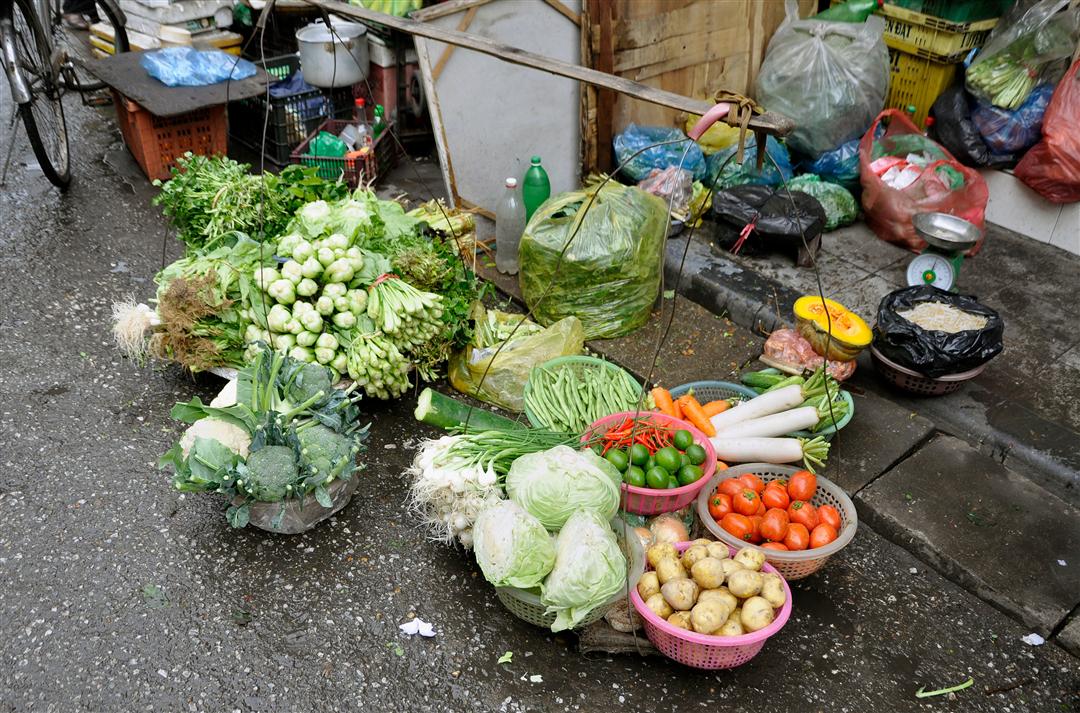
Photo P. Hughes · CC BY 4.0 · Resized

- Peanuts (Lạc vs. Đậu phộng): In Northern Vietnam (Hanoi), peanuts are called lạc, whereas in Southern Vietnam (Ho Chi Minh City) they are called đậu phộng.
- Cilantro / Coriander (Rau mùi vs. Ngò rí — Key for Korean & Japanese Visitors): Many South Korean and Japanese travelers strongly dislike cilantro in phở, bún, and noodle soups. In the North, cilantro is called rau mùi (and sawtooth coriander is mùi tàu); in the South, it is called ngò rí (and ngò gai). Show Card 6 before ordering because kitchens often sprinkle chopped cilantro straight onto hot noodle bowls before serving.
- Soy Sauce & Tofu: Soy sauce is xì dầu (North) vs. nước tương (South), and tofu is đậu phụ (North) vs. đậu hũ (South).
| Popular Dish | Vegan / Allergy Risk | How to Order Safely |
|---|---|---|
| Cơm Chay (Buddhist Plate) | Safest overall for vegans | Eat at dedicated Cơm Chay shops; ask for no crushed peanuts if allergic. |
| Bánh Mì Chay | Watch mayo, butter & gluten | Ask for tofu + pickled veg + soy sauce, no egg/mayo (không bơ, không trứng). |
| Gỏi Cuốn (Fresh Spring Rolls) | Peanut dipping sauce & shrimp | Request veggie-only rolls with soy sauce instead of peanut hoisin dip. |
| Phở / Bún Chay | Safe only at Chay shops | Never order at regular Phở stalls—the broth is simmered with beef or chicken bones. |
| Bánh Xèo (Crispy Pancake) | Usually pork/shrimp + fish sauce | Order at vegetarian restaurants; naturally rice-flour based (gluten-free) when fried cleanly. |
| Chè (Sweet Desserts) | Crushed peanut toppings | Most are dairy-free (coconut milk), but always say "Không đậu phộng / Không lạc". |
| Cà Phê Việt Nam | Condensed milk (dairy) | Order Cà phê đen (black) or Cà phê cốt dừa (check if condensed milk is added). |
Lesser-Known Traps: Mock Meat (Gluten), MSG, Dairy & Herb Plates
- The "Mock Meat" Trap (Critical for Celiac & Soy Allergies): Many Buddhist Cơm Chay eateries serve convincing vegetarian pork, ham, or beef made from wheat gluten (mì căn / seitan) or soy protein. If you are gluten-free or soy-allergic, skip mock meats and stick to fresh mushrooms (nấm), steamed vegetables, and plain white rice.
- MSG Sensitivity (North vs. South): Street noodle soups often use MSG generously. Ask for "Không mì chính" in the North or "Không bột ngọt" in the South.
- Good News for Lactose Intolerance / Dairy Allergies: Traditional Vietnamese cooking rarely uses cheese or heavy cream. You only need to watch out for sweetened condensed milk (sữa đặc) in iced coffee, smoothies, and flan, plus butter/margarine (bơ) in bánh mì—simply say "Không sữa đặc, không bơ".
- Shared Herb Plates & Asking for Herbs on the Side: Besides cilantro (rau mùi / ngò rí), noodle herb plates often mix Thai basil (húng quế), sawtooth coriander (mùi tàu / ngò gai), and pungent Vietnamese coriander (rau răm). Ask for "Cho rau sống để riêng" (herbs on the side) so you can pick only what you like.
10-Word Vietnamese Menu Decoder & GrabFood / Pagoda Tips
| Menu Keyword | Meaning | Quick Note |
|---|---|---|
| Chay / Thuần chay | Vegetarian / Vegan | Buddhist Chay spots are almost 100% plant-based |
| Nấm / Rau củ | Mushrooms / Vegetables | Safest whole-food picks |
| Đậu phụ (N) / Đậu hũ (S) | Tofu | Soy-based—skip if soy-allergic |
| Mì căn / Chả chay | Wheat gluten / Mock meat | Contains wheat gluten—skip if Celiac/GF |
| Tôm / Tép / Cua / Ốc | Shrimp / Crab / Snails | Common shellfish allergens |
| Mắm / Nước mắm / Mắm tôm | Fish sauce / Shrimp paste | Fermented fish or shrimp base |
| Lạc (N) / Đậu phộng (S) | Peanuts | Commonly crushed on spring rolls, sticky rice & chè |
| Bột mì / Bánh mì / Mì gói | Wheat flour / Baguette / Instant noodles | Contains gluten |
| Trứng / Sữa đặc / Bơ | Egg / Condensed milk / Butter | Found in bánh mì, egg/milk coffee & smoothies |
| Mì chính (N) / Bột ngọt (S) | MSG | Common flavor enhancer in street broths |
Finding Authentic Spots & Using GrabFood: Search "Quán chay" on Google Maps—neighborhoods around major pagodas almost always hide the freshest, best-value vegetarian eateries. When ordering delivery on GrabFood or ShopeeFood, copy-paste the exact Vietnamese sentence from any of the 6 flashcards above straight into the Note to restaurant field.
4. Cross-Contamination, Ice & Food Safety Rules (CDC)
Even without allergies, protecting your stomach lets you enjoy Vietnam's food scene worry-free. Follow the CDC Yellow Book Food and Water Precautions and Travelers' Diarrhea guidance:
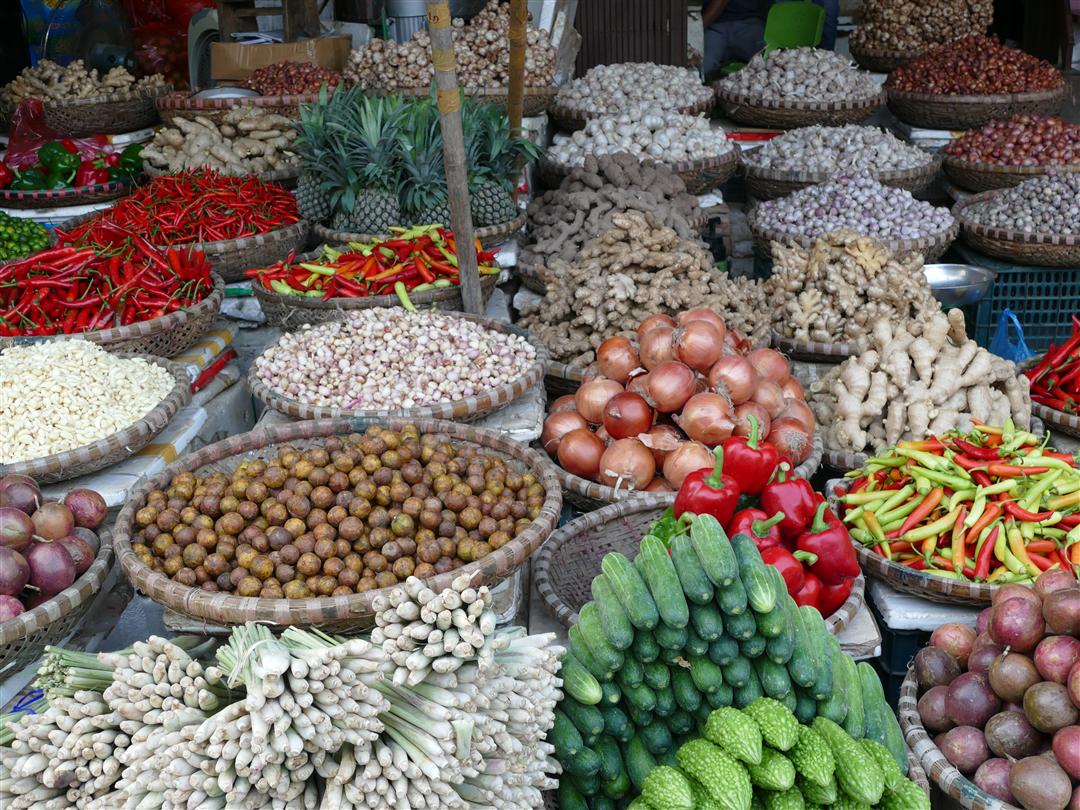
Photo Bo.botones · CC BY-SA 4.0 · Resized

- Water & Ice: Never drink tap water; stick to sealed bottled water. Cylindrical tube ice with a hole in the center (nước đá viên) comes from commercial purified ice factories and is widely safe in cities, whereas crushed/chipped block ice at remote roadside stalls is best skipped.
- Pick High-Turnover Stalls: Choose busy local spots where food is cooked piping hot to order rather than sitting lukewarm in trays.
- Cross-Contamination Reality Check: Small street kitchens often share one wok, fryer, or cutting board. If you have life-threatening anaphylaxis to peanuts or shellfish, stick to dedicated Cơm Chay restaurants or hotel/upscale kitchens that understand allergen separation.
5. Severe Allergy Emergency Playbook (EpiPens & 115)
CDC Yellow Book guidance for travelers with severe allergies
- Emergency Numbers: Save 115 (Medical Ambulance), 113 (Police), and 112 (Search & Rescue). In major cities, GrabCar is often faster than waiting for an ambulance in rush-hour traffic.
- International Hospitals: In Hanoi, head to Hanoi French Hospital or Vinmec Times City; in Ho Chi Minh City, head to FV Hospital (District 7) or Raffles Medical.
- Related Practical Guides: Pair this dining guide with our Vietnam Money, ATMs & Tipping Guide and First Time in Vietnam Guide.
6. Frequently Asked Questions
1. Does "Chay" in Vietnam mean vegan or vegetarian?
Dedicated Buddhist Cơm Chay restaurants are almost always 100% plant-based (vegan), whereas regular non-vegetarian restaurants may still use bone broth or fish sauce in vegetable dishes.
2. What are the most common hidden animal ingredients in Vietnamese street food?
Fish sauce (nước mắm), shrimp paste (mắm tôm), meat bouillon powder (hạt nêm), bone broth, dried shrimp, and condensed milk.
3. Why do peanut allergy travelers need different words in North vs. South Vietnam?
Peanuts are called lạc in the North (Hanoi) and đậu phộng in the South (Ho Chi Minh City). Showing both prevents misunderstandings.
4. Are Vietnamese rice noodles gluten-free?
Plain rice noodles (phở, bún, hủ tiếu) and rice paper are naturally gluten-free, but soy sauce, oyster sauce, wheat noodles (mì), and bánh mì baguettes contain gluten.
5. Are EpiPens easy to buy at pharmacies in Vietnam?
No—bring your own unexpired EpiPens from home and keep emergency number 115 saved.
Author Note: Independently researched and field-checked by van-anh-tuixinh with zero sponsorships. Read more on our About page or reach out at tuidep1986@gmail.com.