Is Sapa Worth It? Cost vs. Experience, Tourist Traps & Quiet Villages
Search any travel forum and you will see two opposite opinions on Sa Pa: some call it breathtaking, others dismiss it as an overbuilt tourist trap. Both are right—depending entirely on where you sleep, how you spend your budget, and which valley you walk. If you stay in central Sa Pa town and visit Cat Cat Village at noon, you pay premium tourist prices for crowds and concrete. Step 25–35 km deeper into valleys like Nam Cang, Thanh Phu, or neighboring Y Ty, and both the noise and inflated prices fade away.
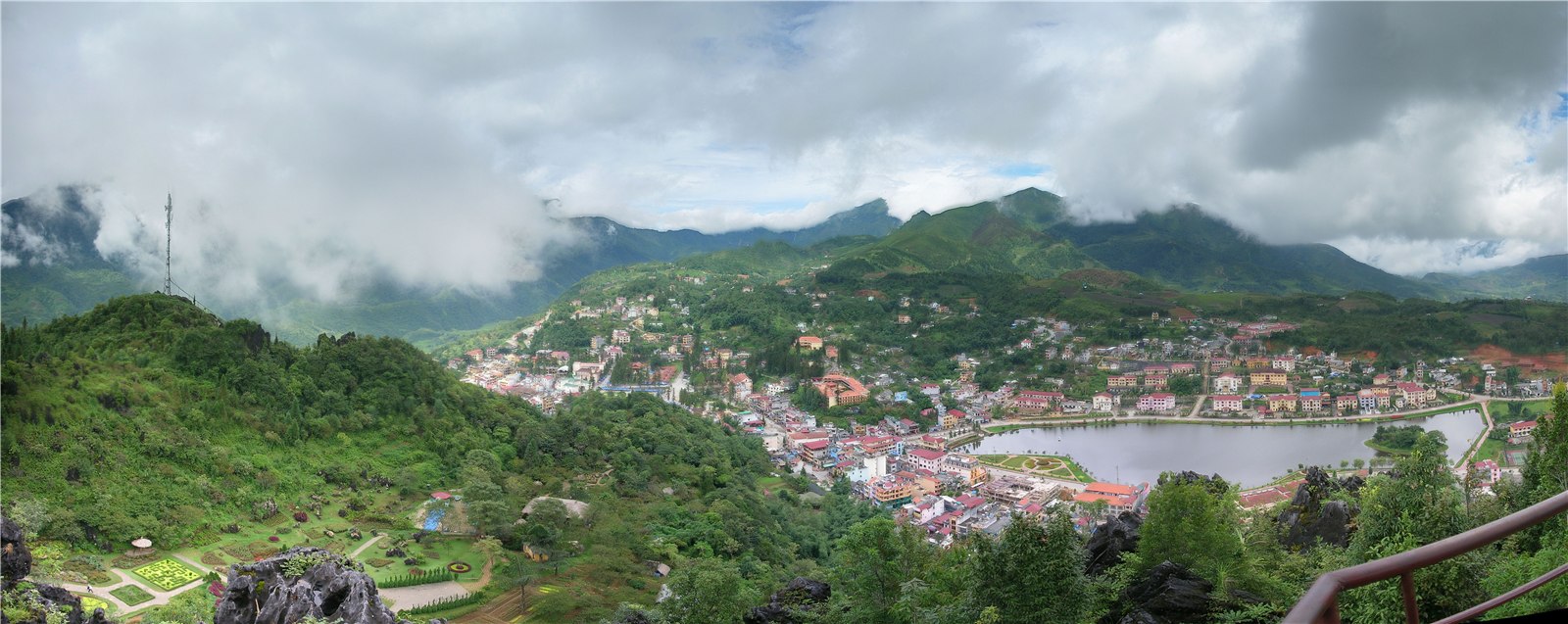

Crowded Spots vs. Quiet Non-Touristy Alternatives
The fastest way to transform your experience in Sa Pa is to swap the three busiest day-trip bottlenecks for quieter valleys just beyond the tour-bus loop:
| Busy Area to Limit or Skip | Why It Feels Touristy | Better Quiet Alternative |
|---|---|---|
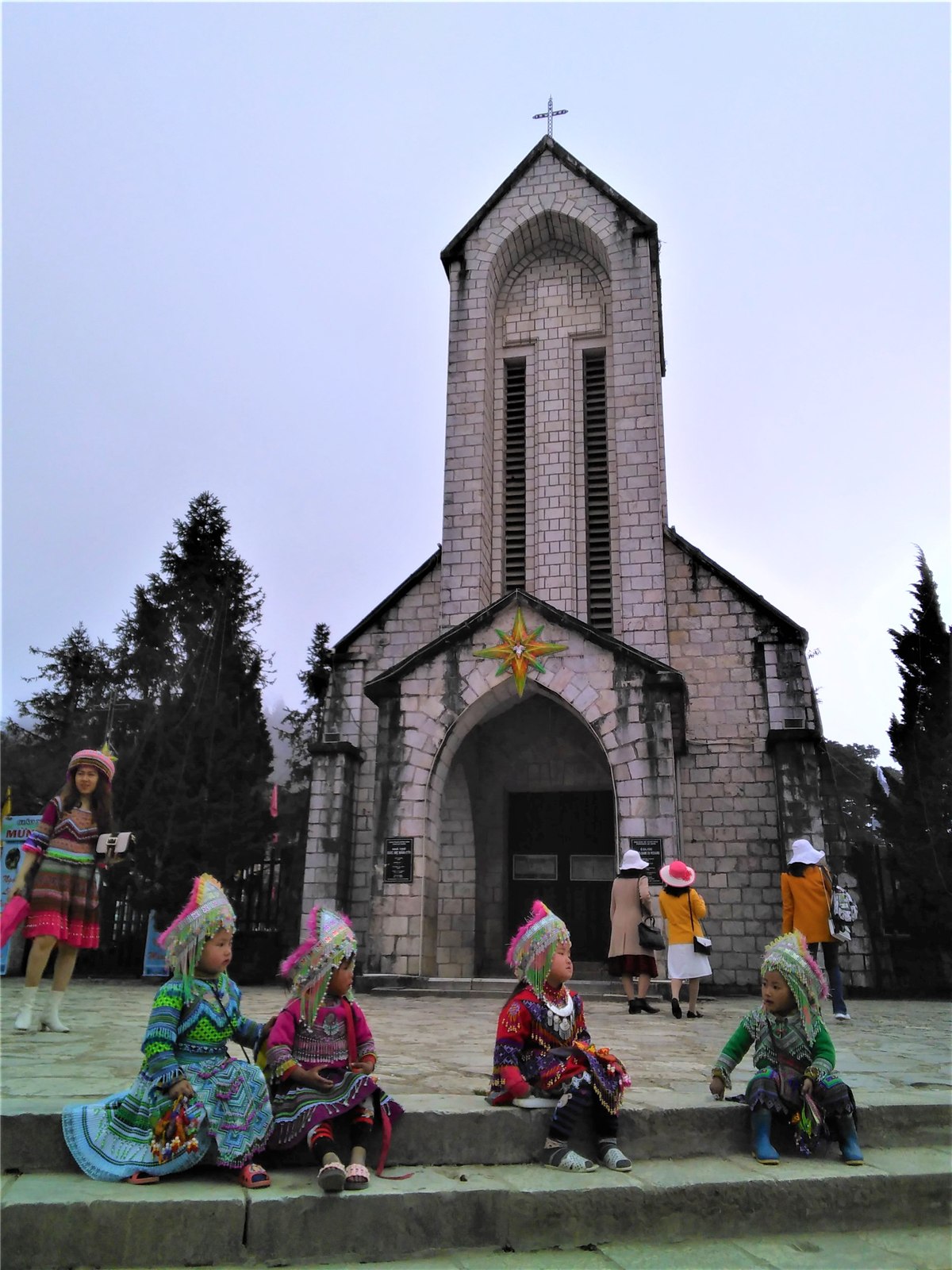
| Sa Pa Town Center (Stone Church area) | Heavy hotel construction, karaoke noise, busy bus traffic | Sleep in Ta Van, Giang Ta Chai, Nam Cang, or Thanh Phu |
| Cat Cat Village | Paved souvenir corridor, staged photo spots, tour-bus crowds | Walk Ma Tra – Ta Phin or Ban Ho – Nam Cang |
| Main Lao Chai – Ta Van Road | Motorbikes, cafés, and persistent street sellers at midday | Take higher bamboo-forest trails or head to Y Ty (Bat Xat) |
3 Quiet Villages Around Sapa Worth Your Time
Once you step past the main town ridge, three distinct valley areas deliver the scenery and cultural depth most travelers hope to find:
- Nam Cang & Thanh Phu (~30–35 km southeast of Sapa): Set along the Nam Cang River, these Red Dao and Tay villages sit well past the main day-tripper bus loop. Expect quiet suspension bridges, traditional herbal-medicine traditions, and peaceful riverside lodges without aggressive souvenir hawking.
- Ban Ho & Nam Sai: Lower in elevation and noticeably warmer than Sa Pa town in winter, Ban Ho offers Tay stilt-house homestays beside clear mountain streams and gentle paths toward Thanh Phu.
- Y Ty (~75–80 km northwest in Bat Xat District): Technically outside Sa Pa in neighboring Bat Xat, Y Ty is famous for mushroom-shaped Ha Nhi rammed-earth houses, dramatic cloud seas, and untamed terraces. Roads are steeper and slower (~3–3.5 hours from Sapa), so allow at least 2 days and 1 night.
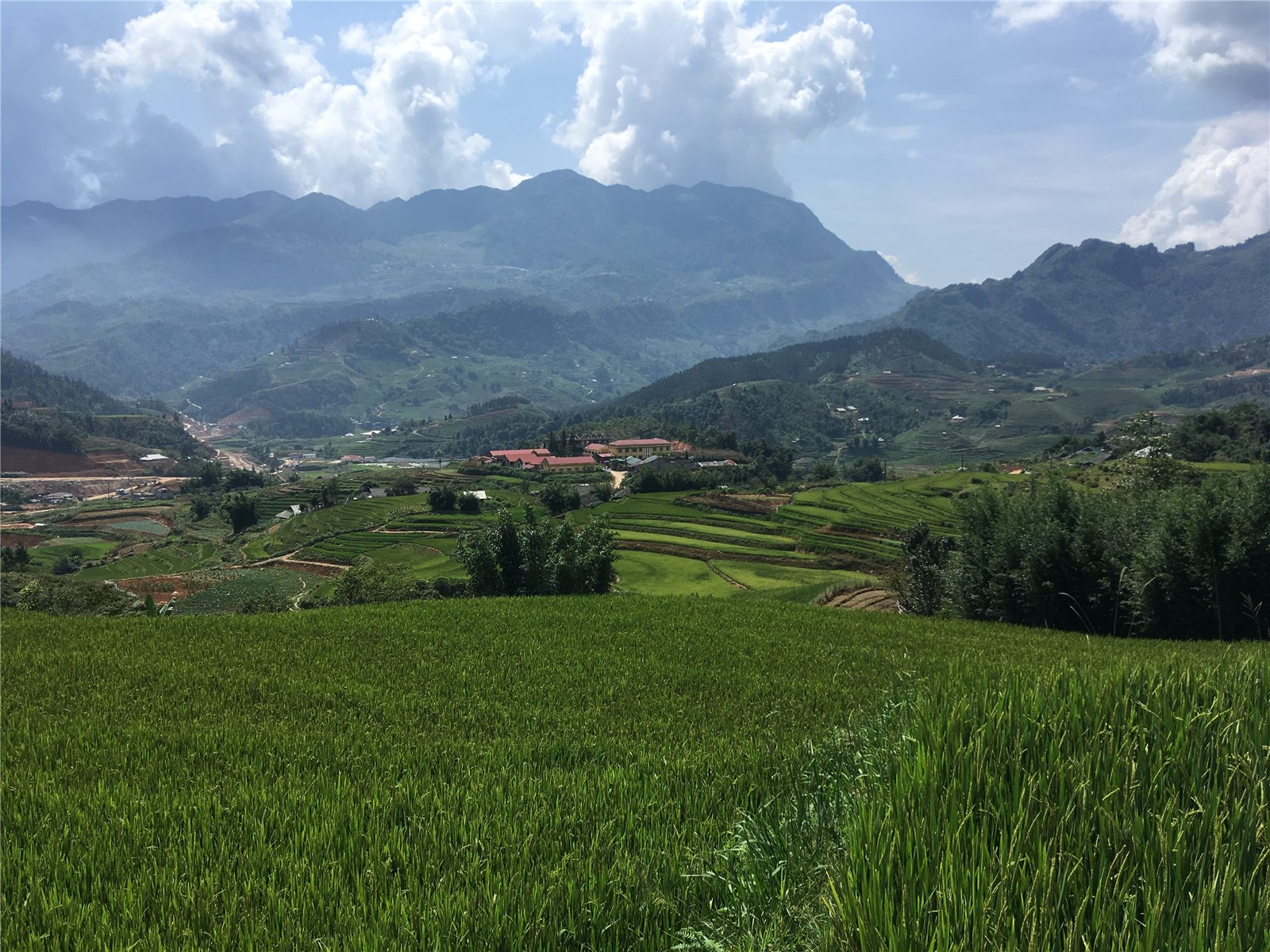

Balancing Cost vs. Experience: Where Your Money Goes Best
A common mistake is assuming higher spending in Sa Pa automatically buys a better experience. In town, overpriced tourist menus and theme-park attraction fees add up quickly—whereas outer valleys often deliver deeper hospitality for less:
| Travel Style | Indicative Daily Budget (Excl. Hanoi Transfer) | What You Get in Return |
|---|---|---|
| Town-Center Tourist Track | ~1.8M – 3.0M VND / person / day | Heated hotel, Fansipan cable car + funicular tickets, town restaurants; high crowd exposure |
| Quiet Valley Balance (Ta Van / Ban Ho) | ~800k – 1.5M VND / person / day | Village homestay or eco-lodge, home-cooked family meals, licensed local guide split in a small group |
| Remote Immersion (Nam Cang / Y Ty) | ~1.0M – 1.8M VND / person / day | Higher one-off private transfer cost, balanced by inexpensive authentic homestays and near-zero crowds |

Sapa vs. Mu Cang Chai vs. Ha Giang: Which Should You Pick?
If your main goal is pure wilderness and your itinerary allows flexibility, compare Sa Pa’s outer valleys against Vietnam’s two other famous northern mountain regions before locking your route:
| Destination | Best For | Access from Hanoi | Tourist Crowd Level |
|---|---|---|---|
| Sa Pa (Outer Valleys) | Families, soft walks, comfort hotels + easy rail/bus access | 5–5.5h limousine or 8h night train | High in town; low in Nam Cang / Thanh Phu |
| Mu Cang Chai | Pure golden rice-terrace photography (Sept–Oct) | 6.5–7h winding road | Low–moderate (seasonal peak in autumn) |
| Ha Giang Loop | Dramatic karst canyons & multi-day motorbike/SUV road trips | 6–7h sleeper bus to Ha Giang | Moderate–high on main loop; very raw scenery |
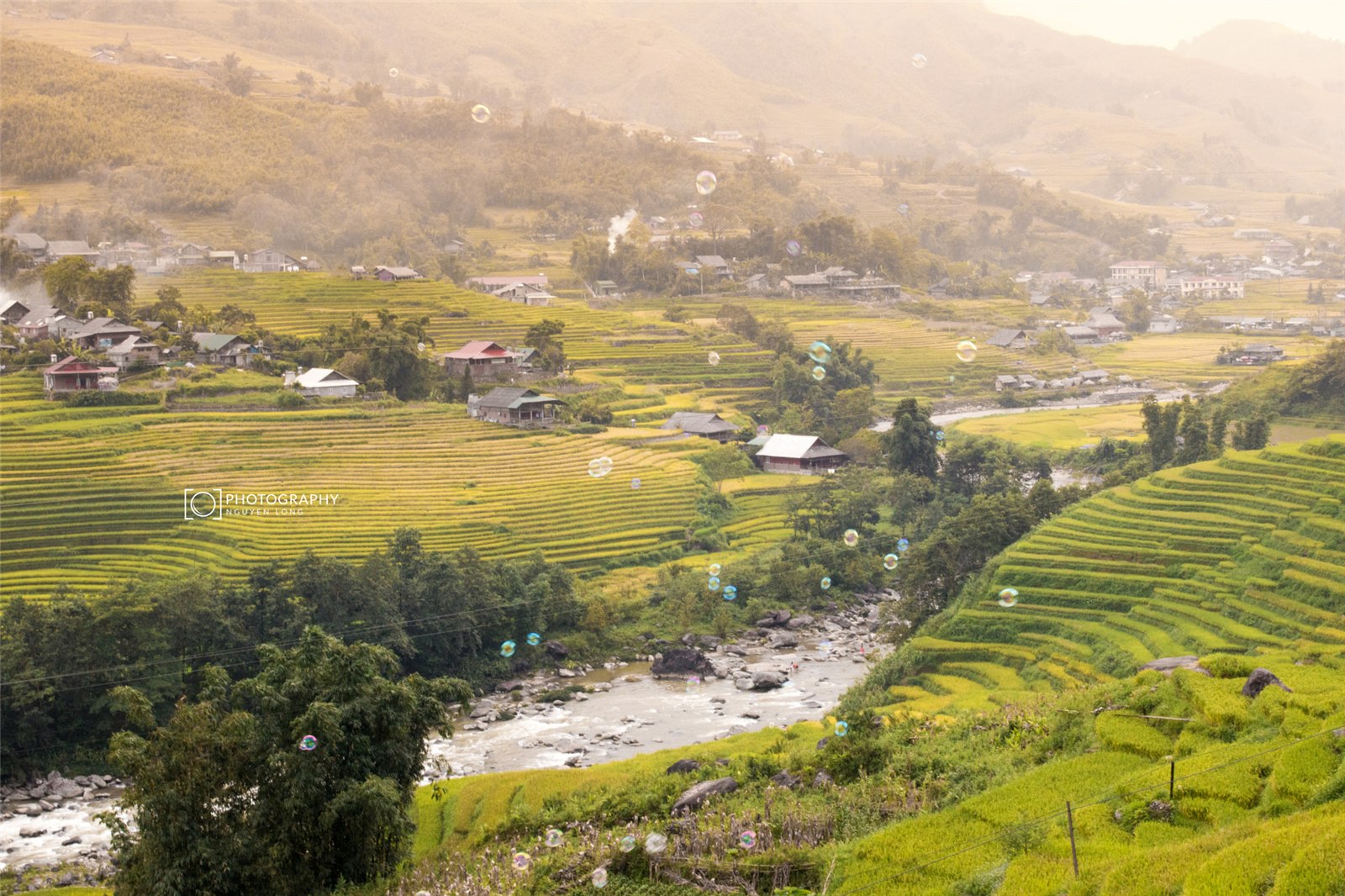

Getting to Remote Valleys: Transfers, Cash & Signal
Unlike Cat Cat or Ta Van, reaching Nam Cang, Thanh Phu, or Y Ty requires deliberate transport planning. From Sa Pa town, a pre-arranged private car or taxi to Nam Cang takes 45–60 minutes along winding river roads; to Y Ty, plan 3–3.5 hours via Bat Xat (or travel straight from Lao Cai city).

5 Practical Rules to Avoid Sapa Tourist Traps
Even if you only have two days in the region, following these five habits protects both your budget and your peace of mind:
- Skip Cat Cat if you want real trekking: Treat Cat Cat as a 90-minute cultural theme park—not a hike. For genuine walking, check our Sapa Trekking: Guided vs. Independent Guide.
- Handle street selling politely & early: If local women walk beside you in town or Lao Chai and you do not plan to buy textiles, smile and say "No, thank you" clearly within the first two minutes.
- Never give money or candy to children: Buying trinkets from children or handing out cash keeps them out of school; support adult community guides and family-run homestays instead.
- Avoid unlicensed street guides: Book through vetted local cooperatives or licensed operators so your route is insured and legal.
- Connect your logistics smartly: Pair your trip with our Hanoi to Sapa Transport Guide, Sapa Fog & Rain Survival Guide, and partner Bac Ha & Can Cau Weekend Market Loop.


Common Questions (With Official Government Sources)

This map is illustrative. Pins indicate approximate locations, not precise navigation coordinates. Confirm the actual destination before travelling.
Dashed stop connections are illustrative, not road routes. Pins mark approximate locations, not pickup points. · OpenFreeMap · © OpenMapTiles · Data from OpenStreetMap