Sapa in Fog, Heavy Rain & Winter: Honest Weather Survival Guide
Most travel brochures show Sa Pa bathed in golden sunshine. In reality, Sa Pa sits at 1,500 meters on the eastern flank of Hoang Lien Son, meaning mountain fog, sudden summer downpours, and damp winter cold are part of daily life. Knowing how to read local weather—and what to do when views disappear—turns a potential disappointment into a relaxed mountain break.
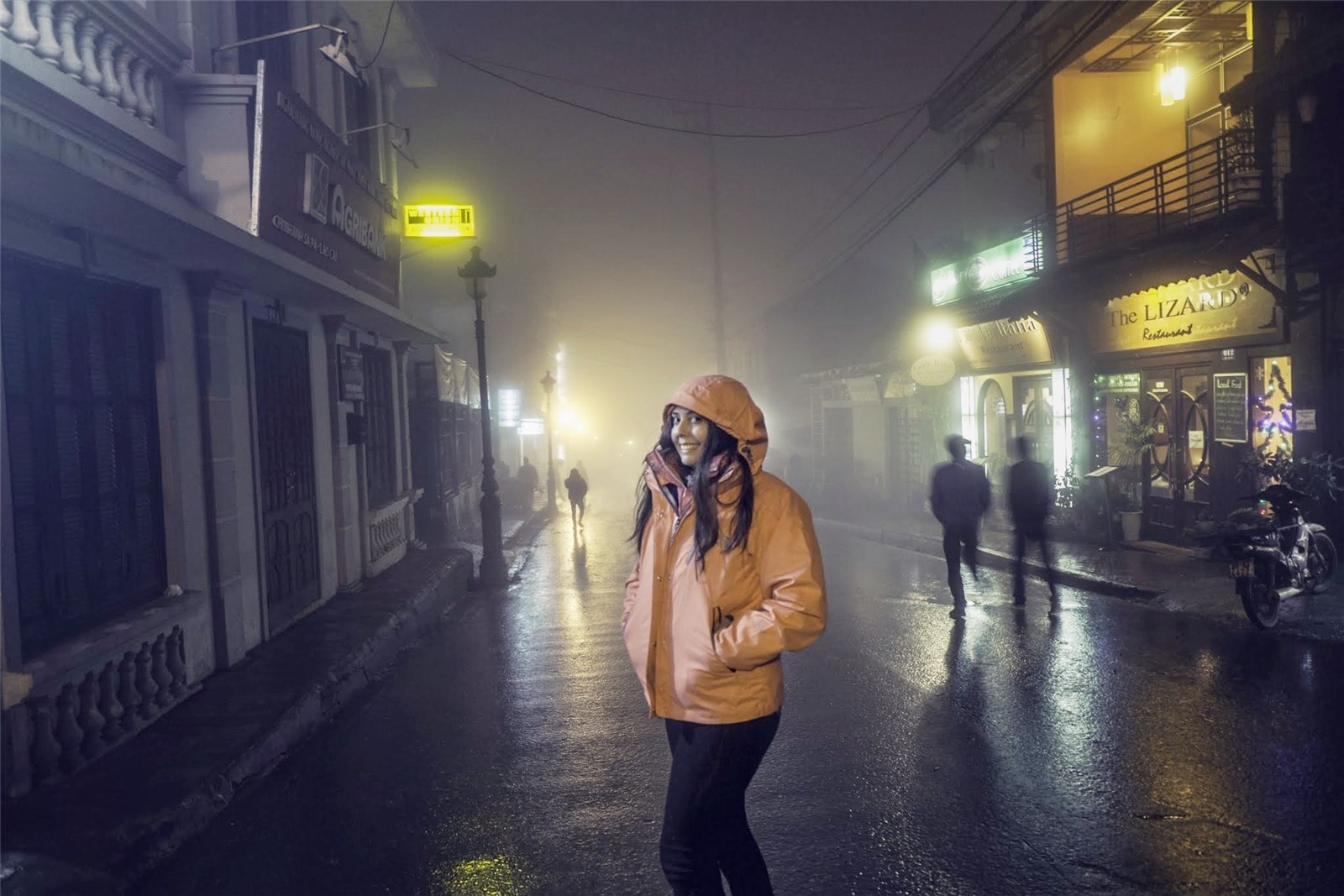

Fog vs. Heavy Rain: Two Very Different Problems
| Condition | Typical Months | What Actually Happens | Smart Adjustment |
|---|---|---|---|
| Winter Fog & Cold | December – February (sometimes Nov & Mar) | Visibility drops to 10–30 m; nights fall to 2–10°C; damp air chills rooms fast | Stay in heated town hotels, visit Ta Phin herbal baths, watch for midday sun breaks at O Quy Ho |
| Summer Heavy Rain | June – August | Afternoon downpours turn dirt trails into slick red clay; risk of roadside landslides | Trek only on paved valley roads, check NCHMF flood warnings, avoid late-night mountain drives |
What to Do in Sapa When It Rains or Fog Sets In
When clouds sit heavy over Muong Hoa Valley, forcing a muddy 12 km ridge trek is miserable. Swap to these high-reward alternatives:
- Red Dao Herbal Bath in Ta Phin (~120k–150k VND): Soak in a steaming wooden barrel boiled with forest medicinal leaves—nothing feels better in damp mountain weather. Keep your soak to 15–20 minutes, as staying in too long in hot herbal water can make you lightheaded.
- Time Your Day Around the "Midday Clearing" Window: Even on foggy winter days, mountain mist in Sa Pa is thickest between 06:00–09:00 AM and after 16:30. The hours between 11:00 AM and 15:00 offer your best statistical chance for brief sun breaks or lifted cloud ceilings.
- Chase Cloud Breaks at O Quy Ho Pass: Sa Pa’s microclimate changes sharply across the ridge. Sometimes town is completely socked in while the western side of O Quy Ho Pass opens up into bright sunshine above a sea of clouds.
- Indigo & Beeswax Batik Workshops: Spend a slow afternoon in Lao Chai or Ta Phin learning traditional H’mong textile crafts indoors.
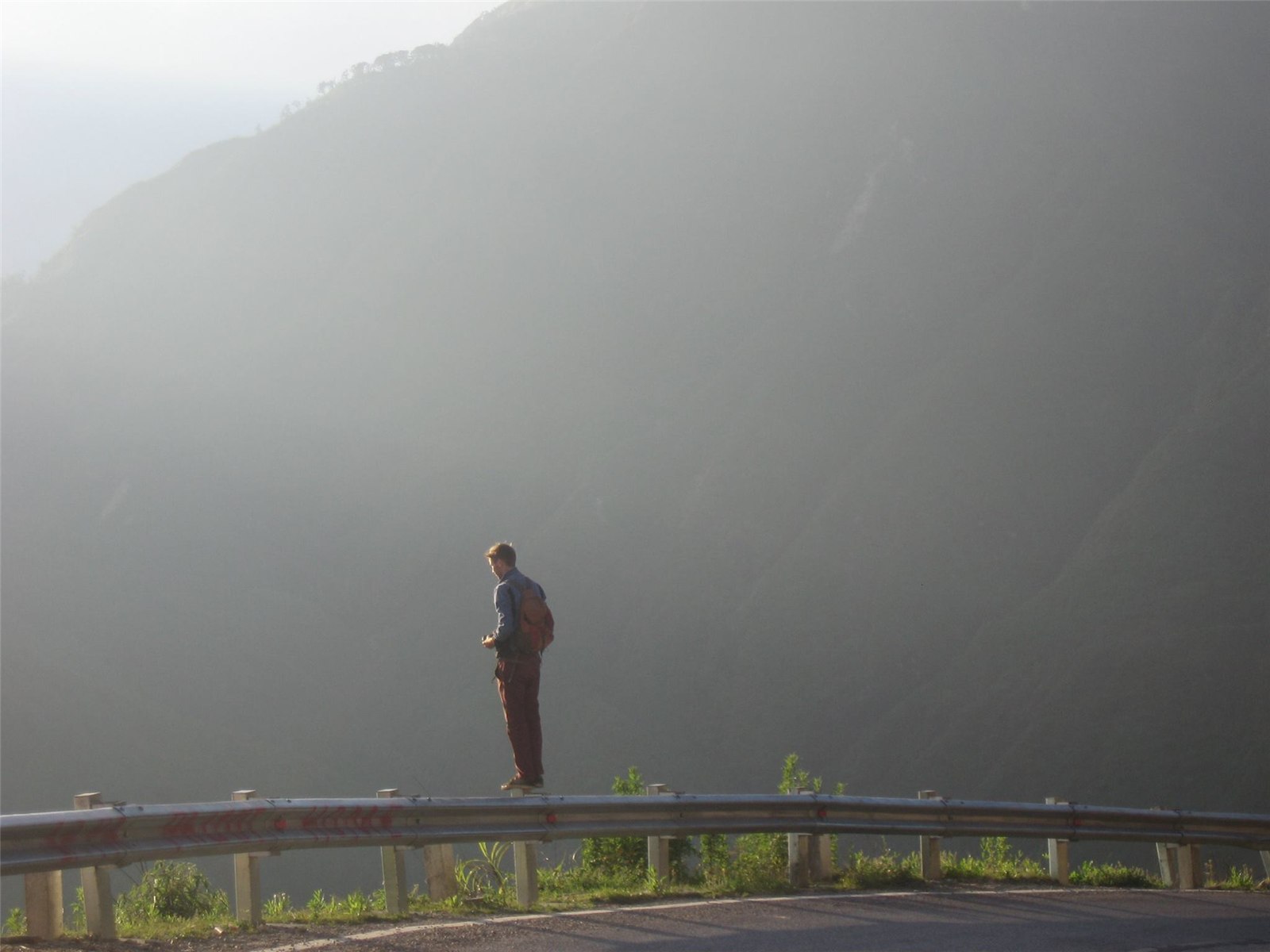

Silver Waterfall & Easy Roadside Sights
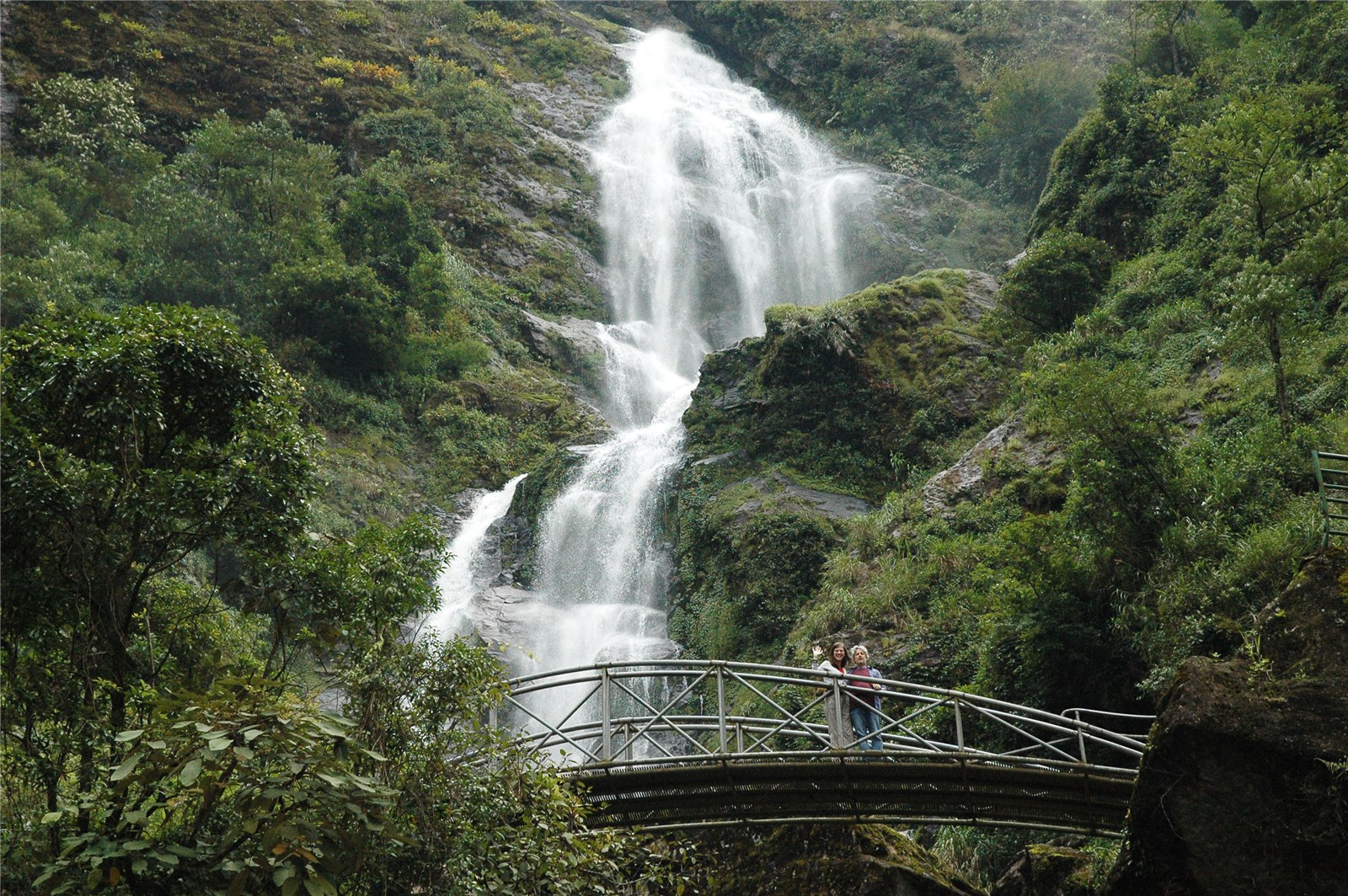
In rainy summer months, waterfalls run at full power. Silver Waterfall (Thác Bạc) sits right beside Highway 4D about 25 minutes from town, letting you see dramatic cascades from paved viewpoints without risking slippery forest slopes.

The Winter Homestay Heating Trap
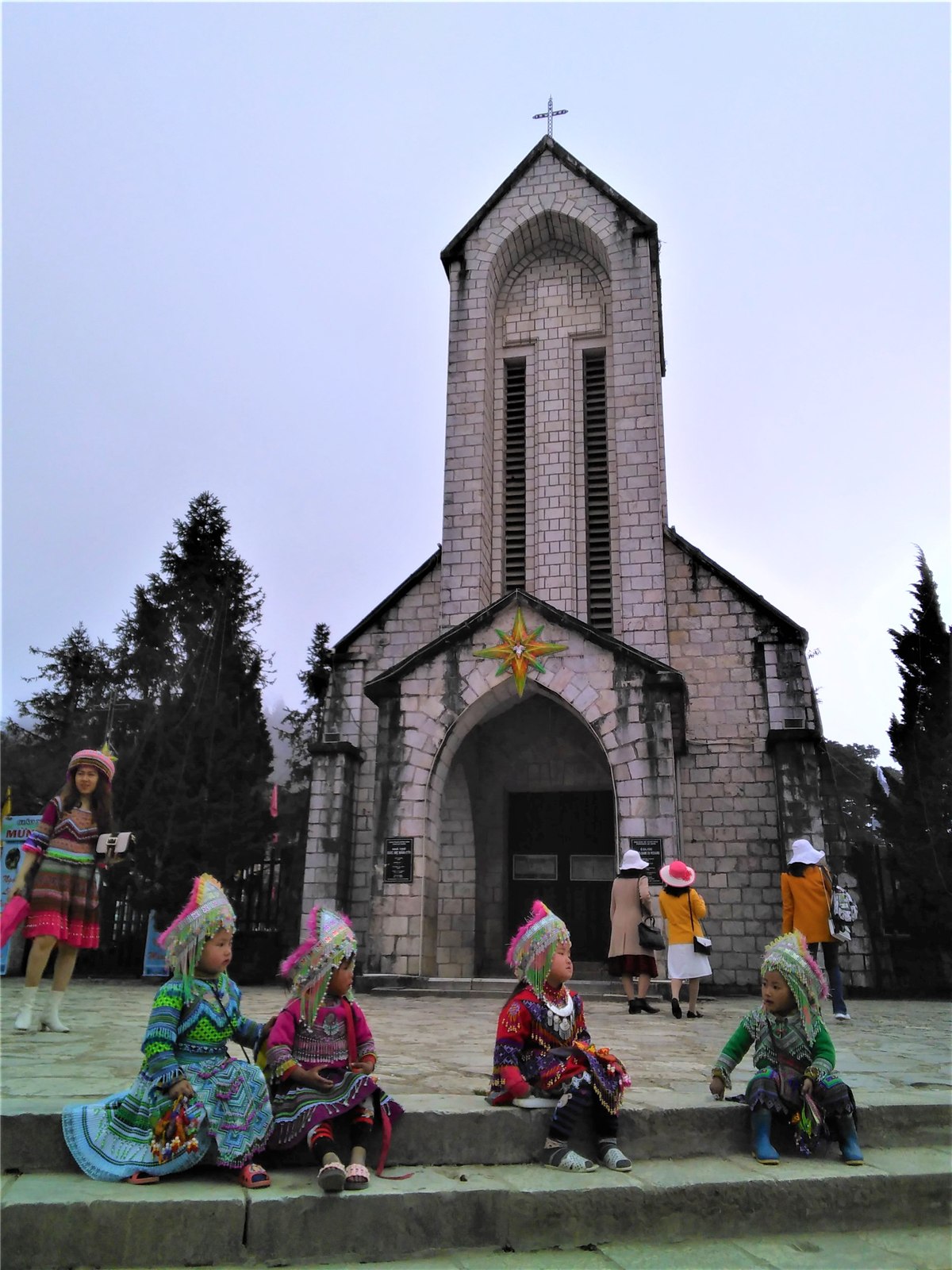
If you visit between December and February, think twice before booking a rustic wooden village homestay unless you confirm heating. Traditional stilt houses have gaps in floorboards and no insulation—when humidity hits 95% and outside air drops near 5°C, sleeping without an electric blanket, space heater, or two-way AC is genuinely uncomfortable. In mid-winter, a well-insulated town hotel near the Stone Church is often a wiser base.

Landslide Safety & Packing for Bad Weather
- Pack real waterproofs: Bring a breathable rain shell, quick-dry socks, and trail shoes with deep lugs—cheap street ponchos tear quickly in mountain wind.
- Respect storm & winter ice warnings: During prolonged summer rain, steep slopes along QL4D and rural valley roads face rockfall and flash-flood risks. Conversely, during rare December–January cold snaps when frost or snow hits Fansipan and O Quy Ho Pass, black ice can temporarily stall traffic along Highway 4D—never ride a motorbike in freezing mist without proper thermal gloves.
- Looking for a gentle itinerary? Pair your trip with our partner guides: Sapa Without Trekking (3-Day Family Guide) or the Bac Ha & Can Cau Weekend Market Loop.

Common Questions (With Official Government Sources)
This map is illustrative. Pins indicate approximate locations, not precise navigation coordinates. Confirm the actual destination before travelling.
Dashed stop connections are illustrative, not road routes. Pins mark approximate locations, not pickup points. · OpenFreeMap · © OpenMapTiles · Data from OpenStreetMap