Personal trekking memoir
Fansipan Trekking in 2012: Four Days, Three Nights Before the Cable Car
This 2012 memoir is not current route permission or a live price quote.
Đọc tiếng Việt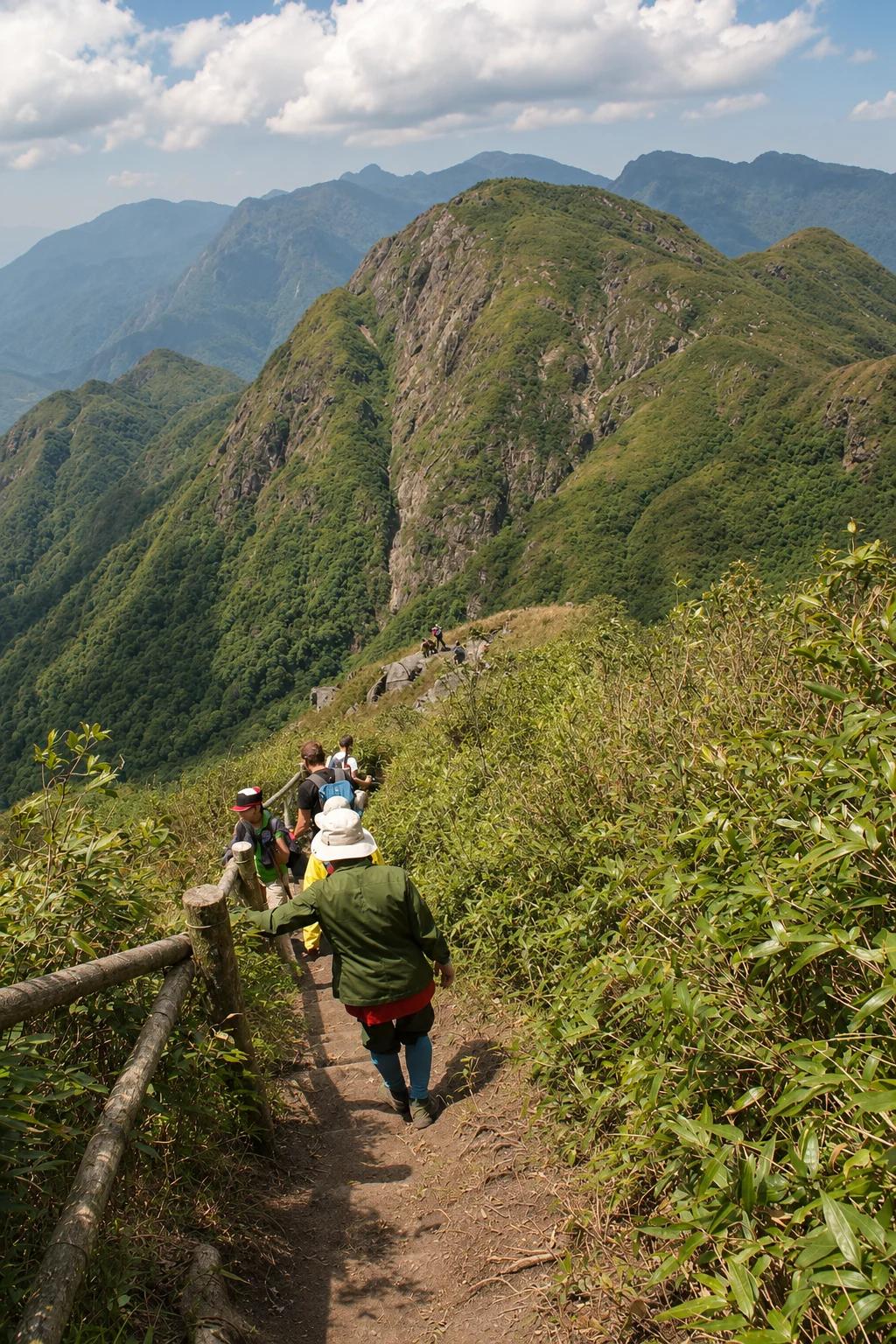
The mountain before shortcuts
In 2012, I approached Fansipan on foot—years before the cable car transformed how visitors reach the roof of Indochina. Our trek stretched across four days and three nights, and it remains the toughest trail I have ever taken on. Looking back at my surviving notes, I cannot name the exact route with certainty, and I would rather leave it that way. An honest memory shouldn't be retrofitted into a tidy modern itinerary just because a familiar trail name happens to sound plausible.
What I packed was simple enough: a hat, a raincoat, sturdy hiking boots, a sleeping bag, and a camera worth hauling up a mountain. None of it sounded remarkable at the trailhead, yet every piece earned its place along the way—the boots for long hours on slick forest earth, the raincoat for sudden squalls, the sleeping bag for cold nights under the canopy, and the camera to bring a piece of those days back home.
Looking at those photographs today, I see far more than a summit to conquer. I see the quiet freedom of a chapter in life when stepping away for four whole days felt effortless—a journey that asked for patience, the help of others, and a willingness to let the walk itself be the reward.
Preparing for four days on foot
That freedom came with a different kind of discipline from an easy day hike. Packing for four days in the mountains wasn't about assembling impressive gear; it was about choosing practical essentials that would hold up hour after hour on steep, damp ground. A hat and rain shell kept the weather at bay, solid boots steadied every step, and a warm sleeping bag turned a patch of forest floor into a place to rest.
If you are reading this while planning your own climb today, treat that packing list as a personal snapshot rather than a safety checklist. Footwear, insulation, waterproof layers, food, water, navigation, guide requirements, and emergency provisions all depend on the authorised route and the season you choose. What worked for me in 2012 is simply a record of that trip, not a template for modern conditions.
Days beneath the forest canopy
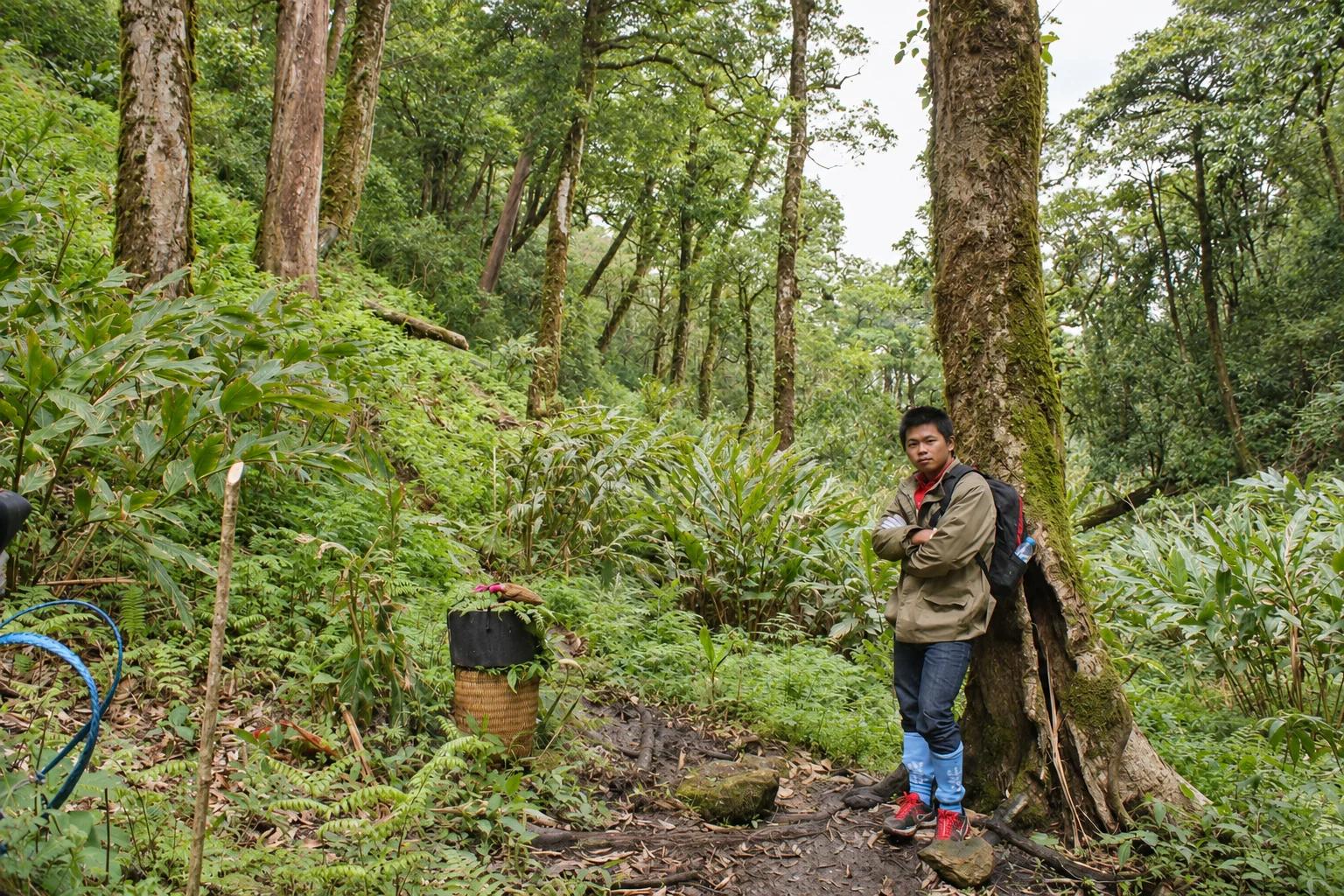
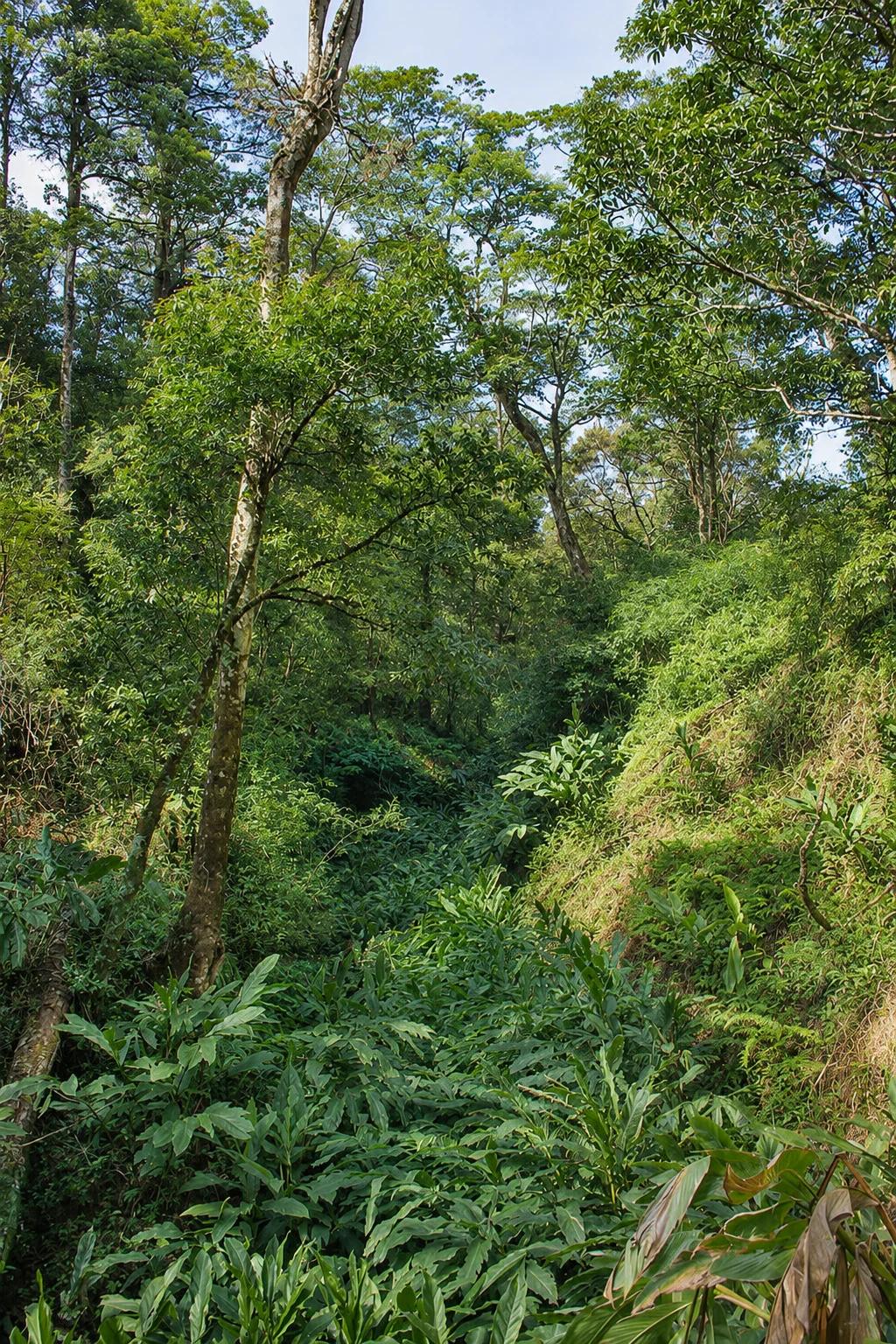
Once we left the valley behind, the days settled into a steady, demanding rhythm. Walking up Fansipan meant moving through the mountain rather than merely admiring it from a lookout. The forest wasn't a backdrop between trailhead and summit—it was the journey itself. Dense undergrowth, shifting mud and roots underfoot, and long climbs gave each hour its own weight. Memory holds onto that sustained effort vividly, even if it can no longer pin an exact landmark or walking time to every stretch of trail.
When writing about the past, it is tempting to cast every hard mile in a heroic light. I prefer to leave it closer to the truth: hard walking simply felt hard. The reward wasn't that the mountain ever relented, but that the effort etched those misty ridges deeply into memory.
People and supplies behind the adventure
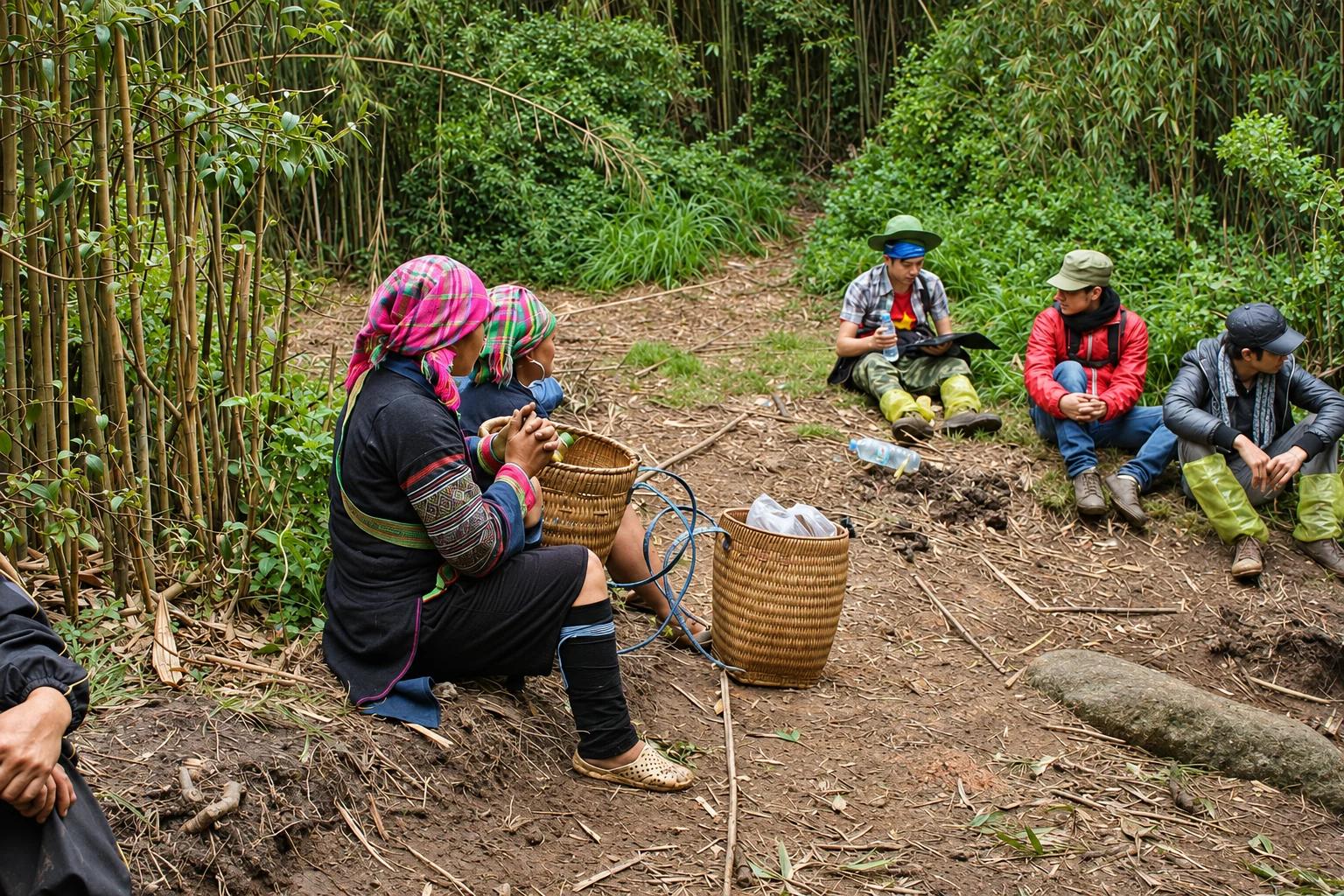
We certainly didn't make it through those four days on our own. Local ethnic minority porters walked beside us, hauling the cooking gear and provisions that kept the whole group going. Their presence sits at the very heart of this story; any account of personal grit would ring hollow if it left out the people whose steady work made four days in the forest possible.
The surviving notes don't preserve every helper's name, and I have no wish to invent dialogue or fill in customs that were never recorded. The truest way to honour their contribution is simply to acknowledge the work itself—without turning real people into colourful props in someone else's travel tale.
Three nights away from home
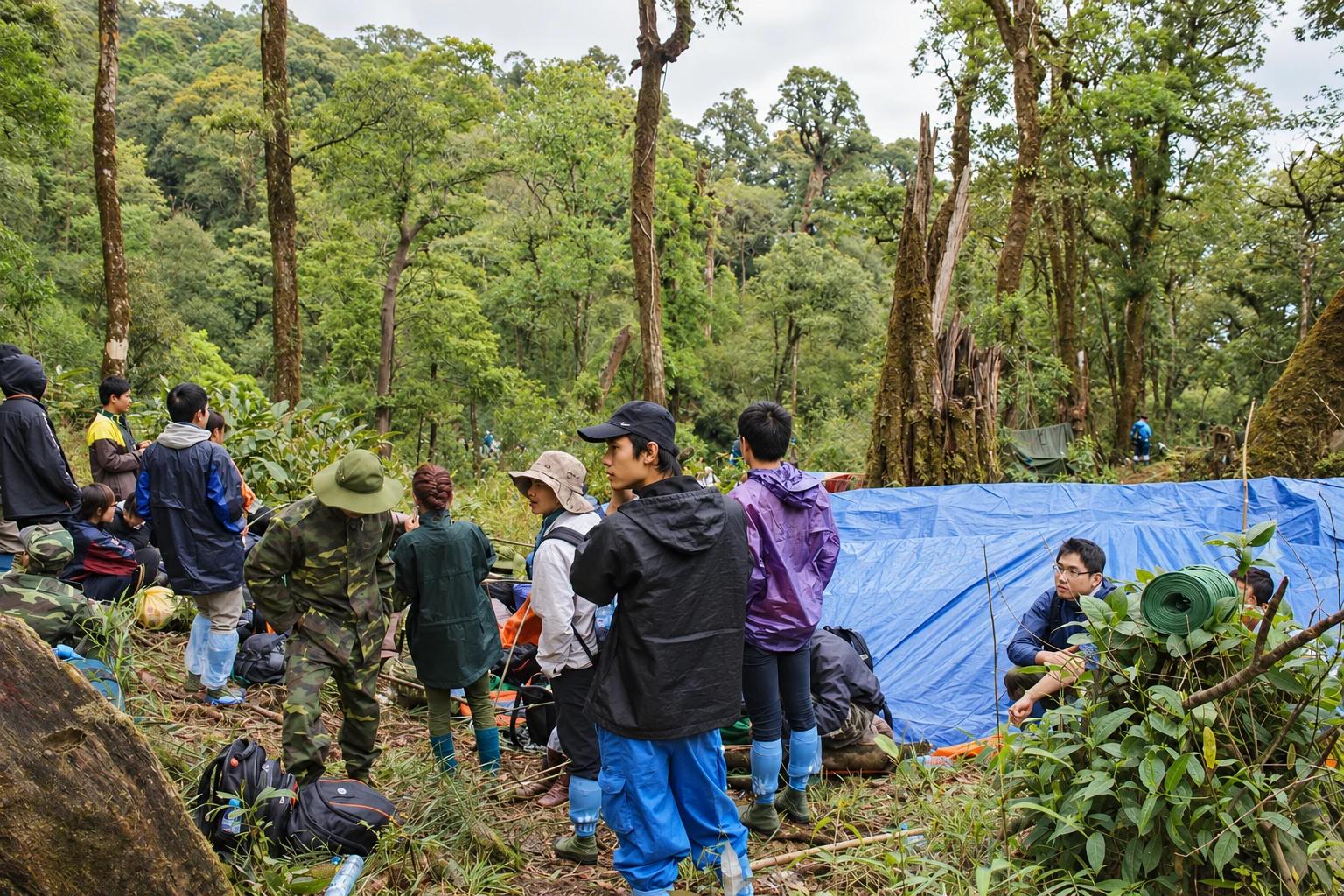
As daylight faded behind the ridges, the trek gave way to three nights of camping under the trees. The sleeping bag that had felt like just another item on a packing list before departure quickly became the anchor of each evening. After hours of climbing, something as basic as staying warm and letting sore muscles recover mattered far more than any romantic notion of conquering a peak.
One frame in the collection shows a blue tarp and supplies laid out at a forest clearing. It captures the spare simplicity of our stops, though it can't tell us whether the shutter clicked at nightfall or pinpoint the exact campsite. Keeping the story and caption within what the frame actually shows preserves what matters most: the nights spent under canvas were real, and their quiet simplicity still feels close.
Scenery that was part of the effort
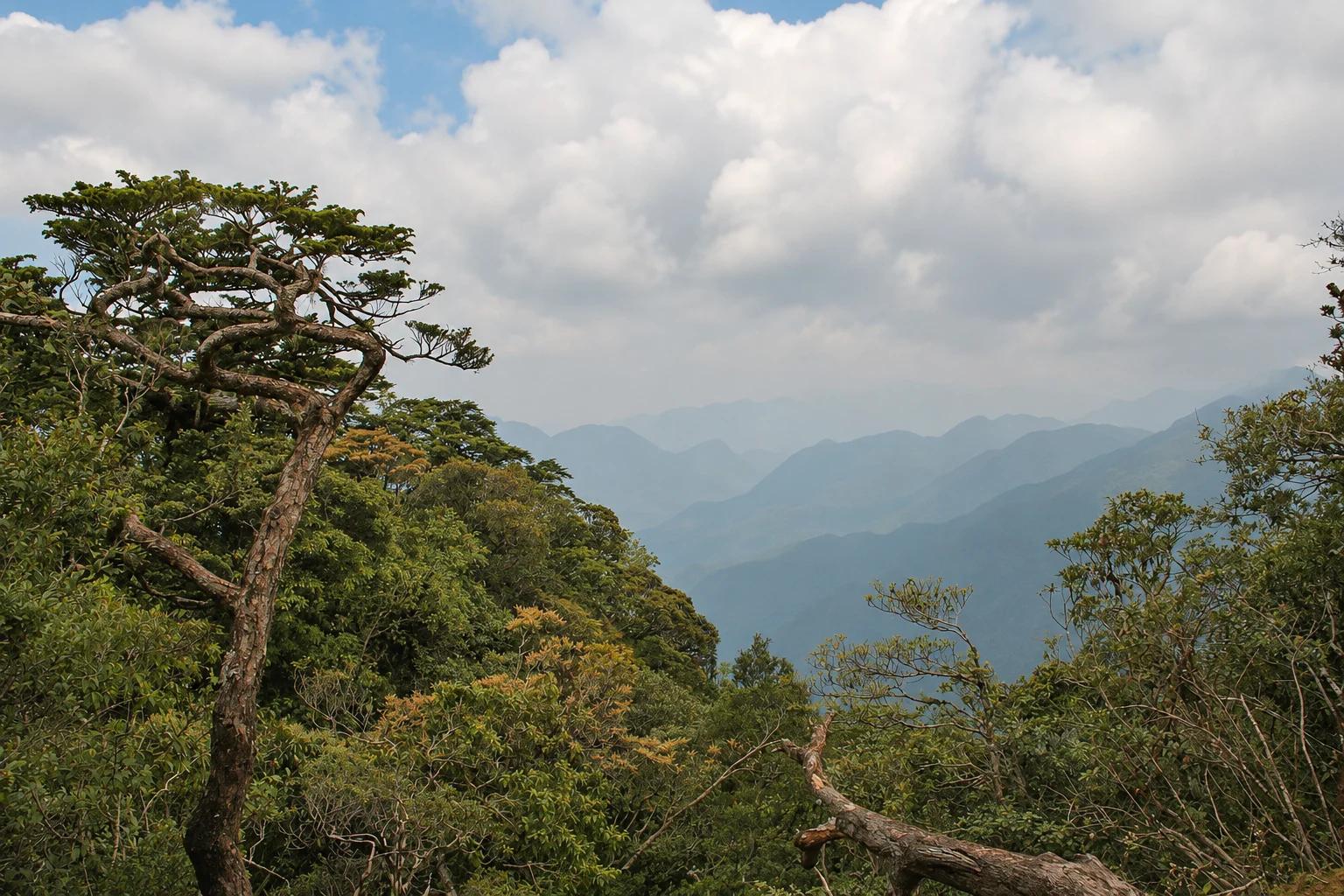
Morning after morning, the landscape gave us every reason to keep climbing. Towering trees, steep green slopes, and ridge after ridge fading into the mist fill the 2012 photographs. They hint at the sheer variety of terrain we crossed on foot, even without proving a trail name or exact elevation for each shot.
There was a quiet satisfaction in earning those views step by step—though that doesn't mean everyone visiting Fansipan today has to take the hardest path. Travel evolves, and different ways of experiencing the mountain make sense for different people, especially when time, health, or fitness points toward another option. Still, those frames remind me why we welcomed the climb in 2012. We didn't treat the mountain as a checklist of photo stops; the walking and the scenery belonged to each other, and the camera held onto that bond long after we came down.
What the photographs can and cannot tell us
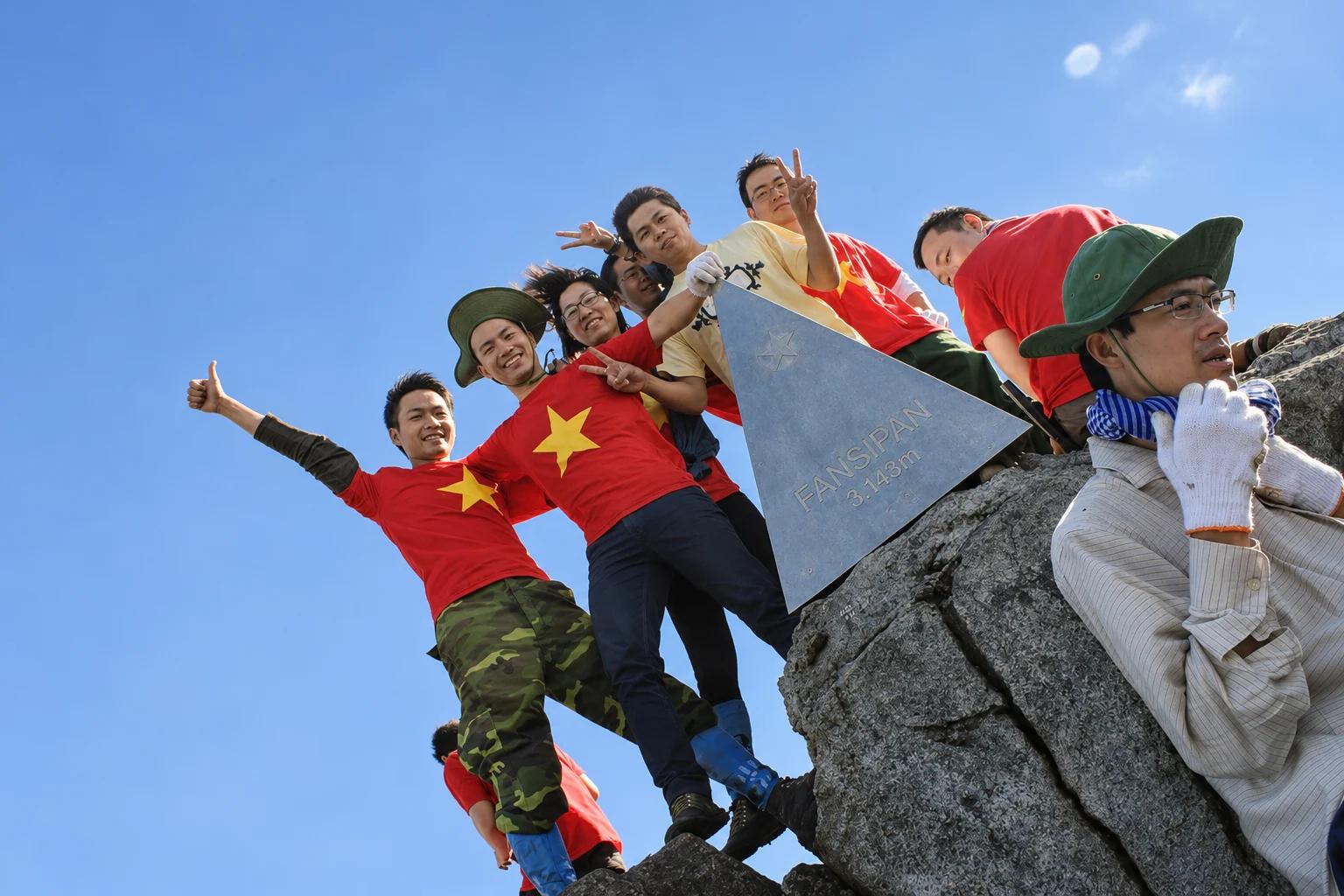
A photograph can preserve the curve of a trail, the pitch of a hillside, the faces of companions, or soft light drifting over distant peaks—yet it can never tell the whole story on its own. That is why the captions here tread carefully: a group resting beside supply packs doesn't automatically tell you who carried which load, and a tarp strung up at a rest stop doesn't prove the photo was taken after dark.
Even so, bringing that camera along turned fleeting moments into something tangible. Looking through the frames reminds me that none of us walked up that mountain in isolation. There were friends, porters, and a landscape far larger than any single perspective. Even a cheerful group shot perched on wet rock needs no invented drama; its real value lies in what is plainly visible, and in knowing it belongs to a genuine 2012 archive.
Before a family hearth
Years later, those same photographs read differently from the vantage point of family life. Youth once offered a wide-open kind of freedom—the ease of packing a bag, disappearing into the hills for days, and letting a tough climb take over your entire attention. Adult responsibilities don't erase that spirit, though they certainly reshape how we weigh time and risk.
I like to think of those four days as small building blocks in the architecture of a life: the worn boots, the shared meals, the cold-weather sleeping bag, the kindness of strangers, and the frames caught on film. The trek wasn't just a physical test; it was a chapter of a younger self that now sits quietly alongside the warmth and commitments of home. That is why I would never trade the memory for a shorter, smoother version—another trip today might be wonderful in its own right, but it could never replace those exact four days and three nights in 2012.
Planning a Fansipan trek today
The practical guidance below is separate from the 2012 memoir.
Since the Fansipan cable car opened in 2016, visitors have had options that simply didn't exist during our climb. If you plan to trek on foot today, check current trail access, guide and permit rules, overnight permissions, seasonal closures, and local transport directly with park authorities and licensed operators before committing—never assume a four-day historical route is still open on the same terms.
Before booking, ask for the exact trail name and meeting point, expected elevation gain and loss, fitness expectations, daily walking hours, group size, food and water arrangements, emergency protocols, weather cancellation policies, and turnaround procedures. If you hope to hike up and ride the cable car down, confirm in advance that the combination is permitted for your chosen route and date rather than taking it for granted.
Trip costs vary with duration, group size, guiding and porter support, gear, accommodation, and transfers. A quote is only meaningful when you can see every inclusion clearly. I haven't listed a 2026 package price here because a 2012 memory is no substitute for a live booking quote, and guessing at rates would only mislead travellers.
Questions travellers often ask
Can beginners repeat this four-day route?
Not on the basis of this memoir alone. The exact route name and current access rules are unverified here, so beginners should have an authorised guide assess their fitness, local weather, and trail conditions rather than treating four days as a standard benchmark.
Did the 2012 trip use the cable car?
No. The climb took place in 2012, four years before the cable car opened in 2016. Today's transport options belong to an entirely different landscape.
Is it possible to hike up and ride down?
That depends on the permitted trail, daily operating conditions, and ticket rules at the time you visit. Confirm every detail with both your licensed operator and the cable car timetable before paying.
Were all eight photographs taken at night or on the summit?
No. They are original owner photographs from the 2012 collection, placed where their visible scenes support the story. Specific timestamps and coordinates are never guessed from filenames.
How should I estimate the budget?
Request an itemised, up-to-date quote covering permits where required, guiding, porter support, meals, drinking water, gear, transfers, and overnight arrangements—and compare full inclusions and cancellation terms rather than headline prices alone.
The view that stays
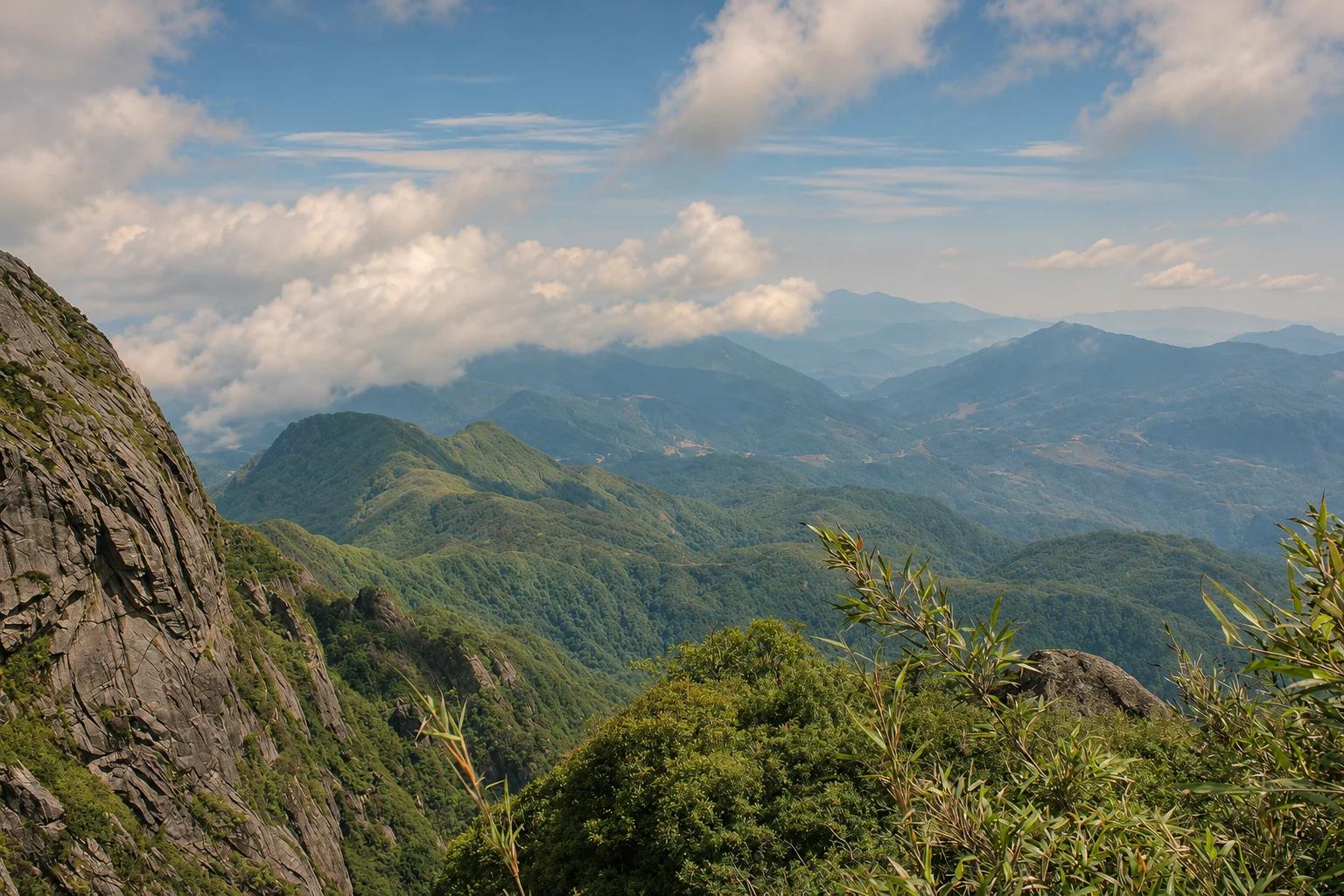
In the end, what stays with me from Fansipan in 2012 isn't the pride of having picked a harder way up. It is the quiet sum of four days and three nights: forest trails, steady hands helping us along, honest fatigue, and the decision to carry a camera into the mist. The mountain fills the frames, yet the truest part of the story belongs to the people we walked with and the season of life we shared.
That final wide panorama of layered ridges feels like the right place to close. The mountains stretch on beyond the edge of the frame, just as life does—leaving these old photographs as modest, enduring pieces of youth, carried safely back to the warmth of the family hearth.