THE SLOWER SIDE OF VIETNAM
Ba Be Lake: Three Waters, One Remarkable Silence
A forested lake, a river through stone and a village whose stories are worth more than a quick photograph.
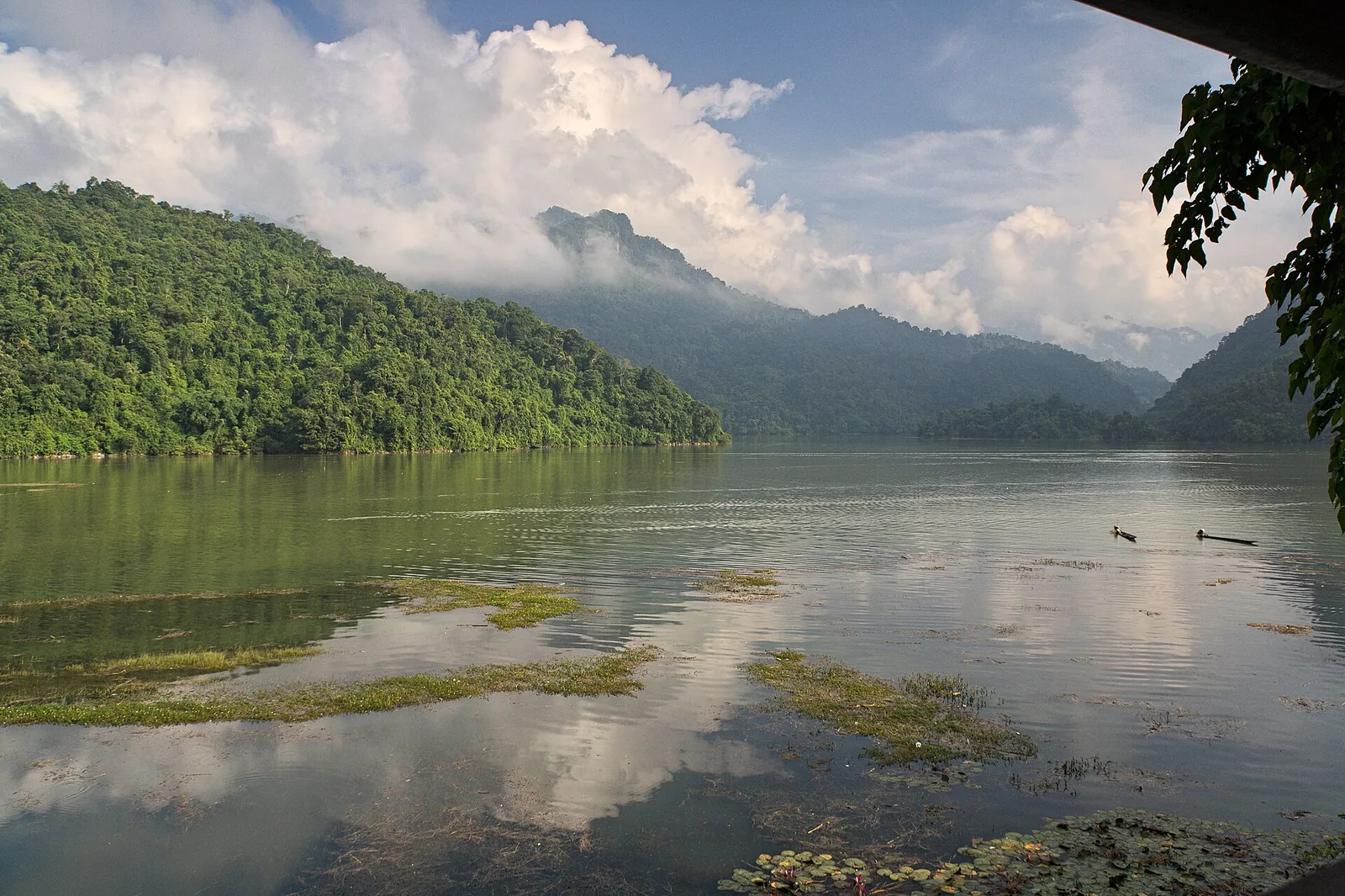
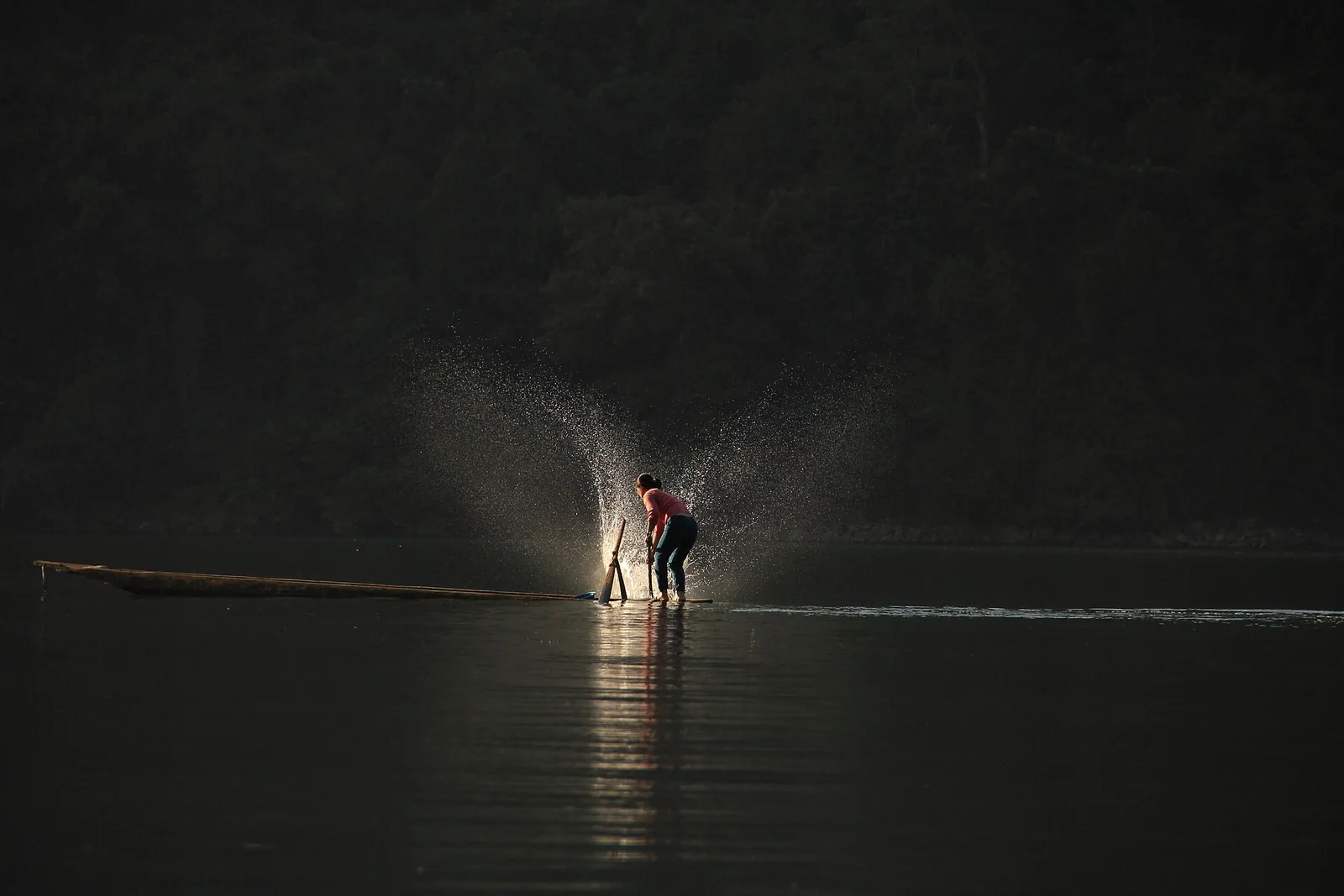
In Hanoi, the day has a soundtrack: horns, engines, notifications. At Ba Be Lake, you begin to notice the spaces between sounds—a boat’s gentle wake, a bird across the water, wind moving through forest. The surprise is not just the silence. It is how much is happening in a place that seems so still.
Why is it called “three lakes”?
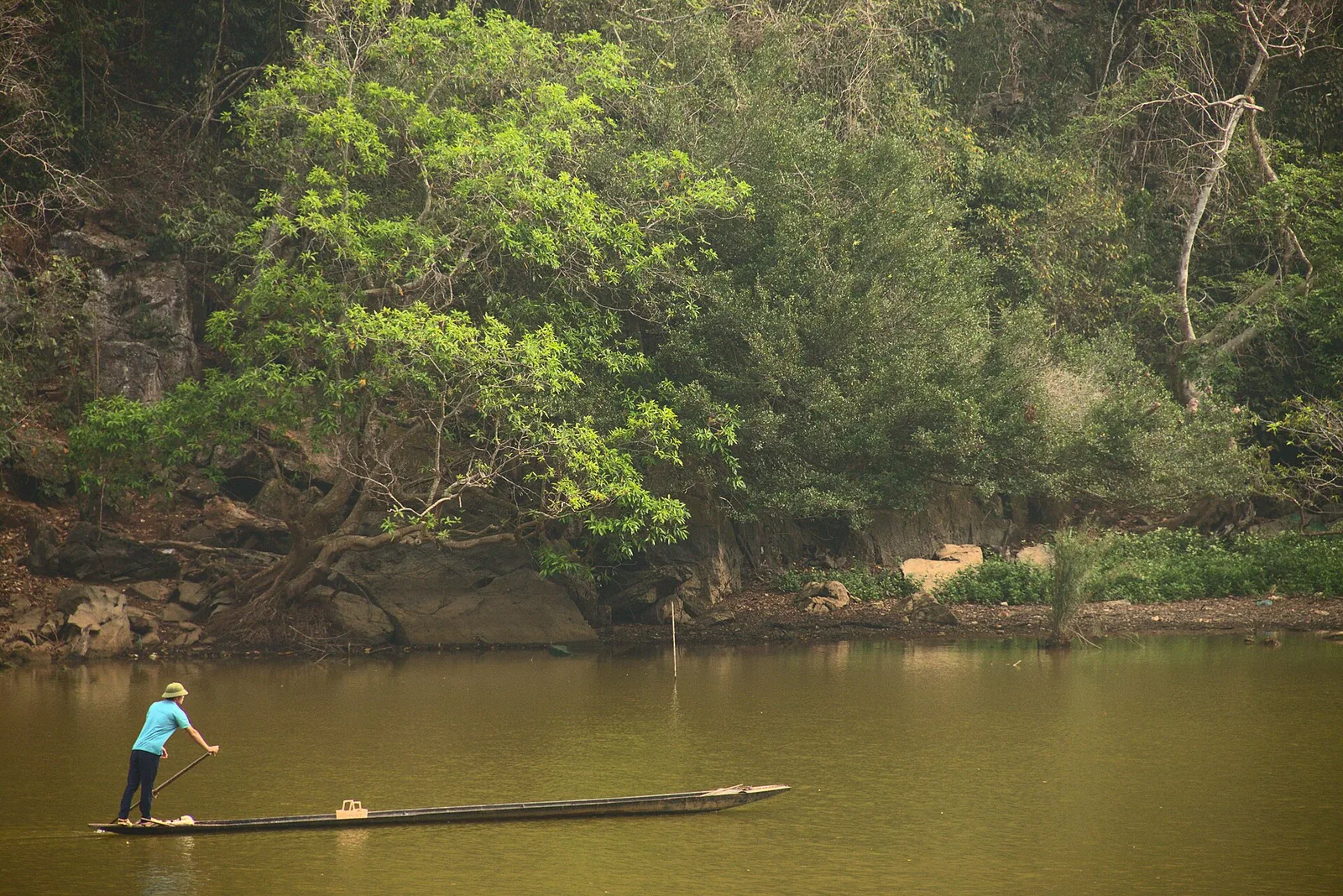
Ba Be takes its name from the Tày expression Slam Pé: Pé Lầm, Pé Lù and Pé Lèng are three linked stretches of one lake. Vietnam’s national biodiversity authority says its water surface can cover up to 650 hectares. Forest and limestone seem to rise straight out of the water.
Look closer at those cliffs. The biodiversity agency describes trúc dây, a rare climbing bamboo that hangs from rock faces like green curtains. Orchids also grow among the limestone vegetation. These are not props for a photograph: they are part of a fragile habitat. Ba Be was recognised as a Ramsar wetland in 2011. Unlike a viewpoint built for visitors, these small details require patience: watch the rock face as the boat slows, without expecting every stretch of cliff to look the same.
Then comes tiny Đảo Bà Góa, or Widow’s Island. Local legend remembers a widow who helped her neighbours during a devastating flood. It is a story about kindness, not a geological explanation—and a reminder that Ba Be belongs to the people who live beside it.
The river that enters a mountain
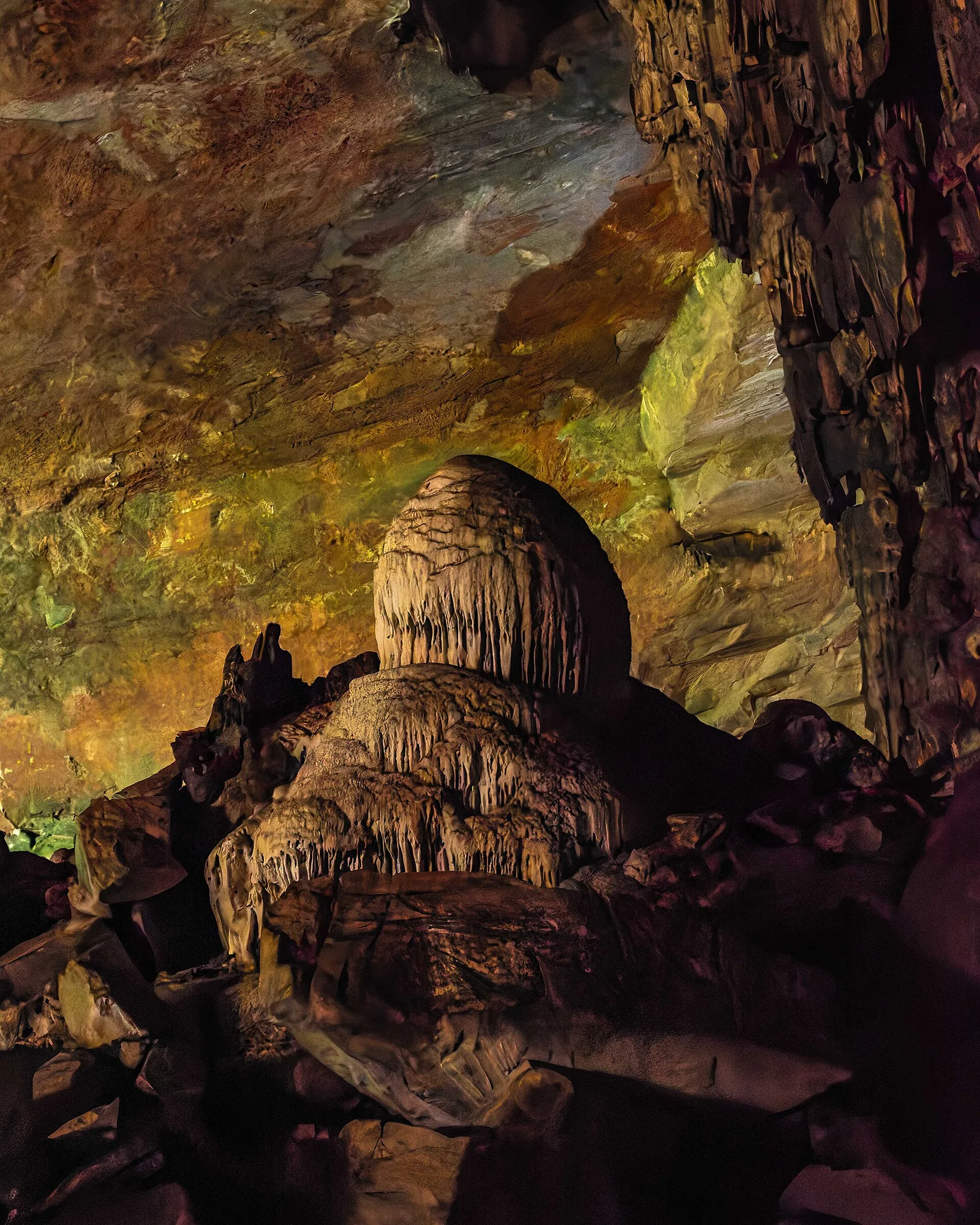
At Puông Cave, the Năng River travels through limestone. From a boat, bright forest gives way to a cool, shadowed passage before daylight returns. Hua Mạ Cave offers a different experience: stairs and sculpted rock chambers. If time is short, choose one rather than rushing both. Six designated piers were authorised for inland-waterway traffic from 21 August 2026, accepting vessels carrying up to 12 passengers under safety rules. This does not guarantee that every river route or water sport is operating. Confirm the licensed operator, pier and weather conditions locally.
Pác Ngòi is a village, not a backdrop
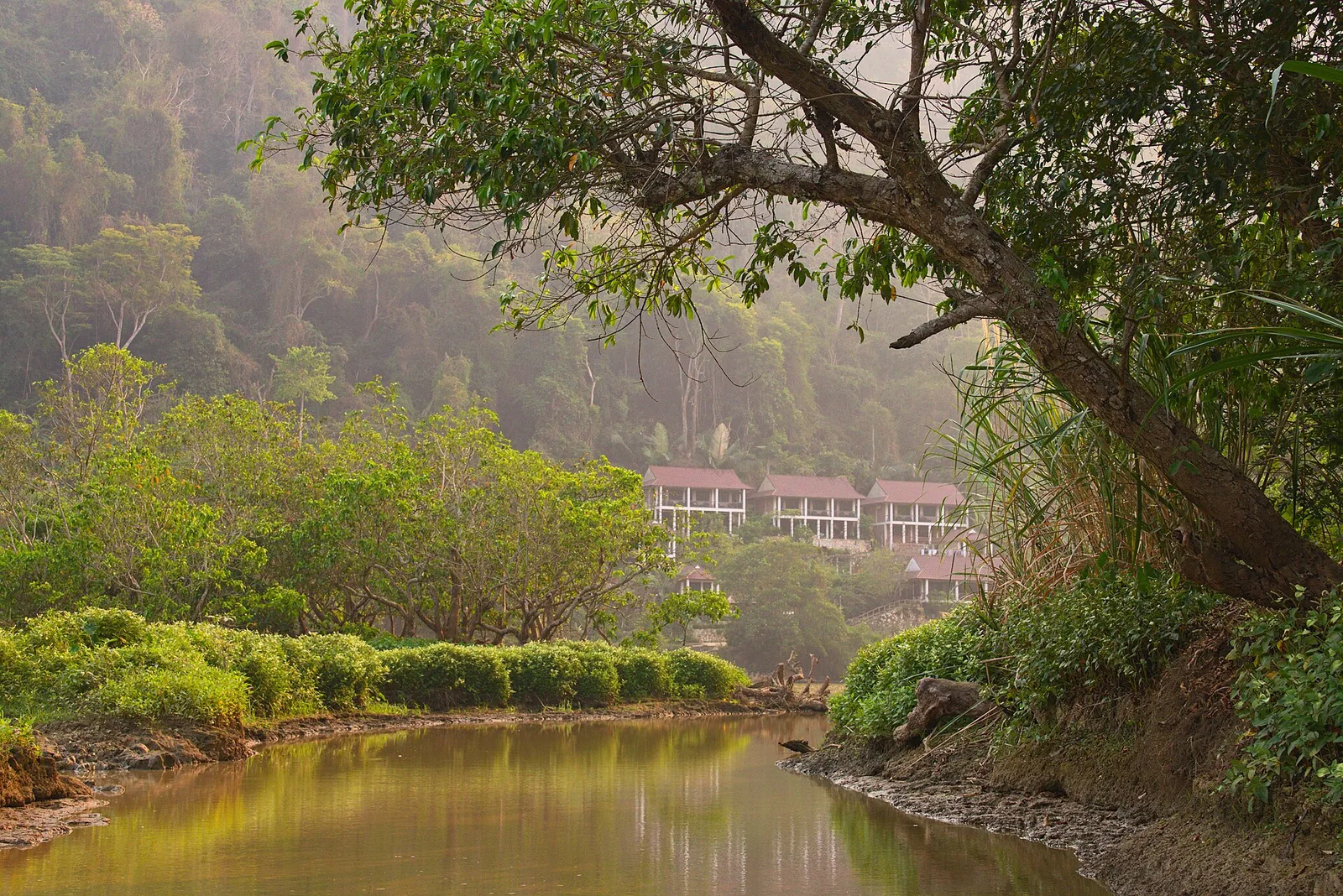
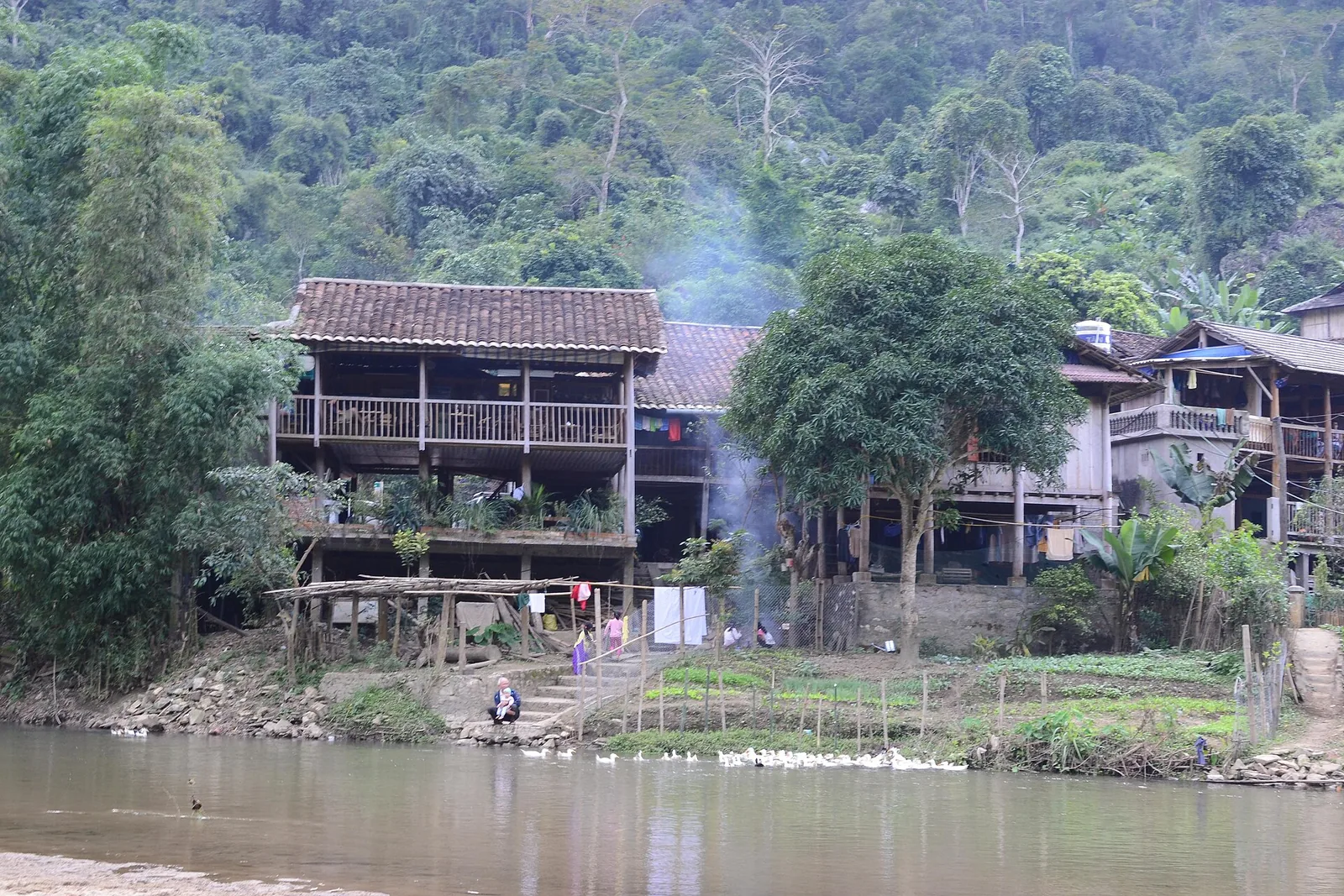
Pác Ngòi is a lived-in Tày village, not an outdoor museum. Traditional stilt houses stand beside gardens and everyday work. Staying overnight gives you a chance to notice the morning routine instead of visiting only between boat departures.
Try sticky rice, local greens and grilled freshwater fish when available. Ask before photographing residents or entering a family space. A quiet conversation with your host may reveal more than an extra viewpoint.
What can a Then song tell you?
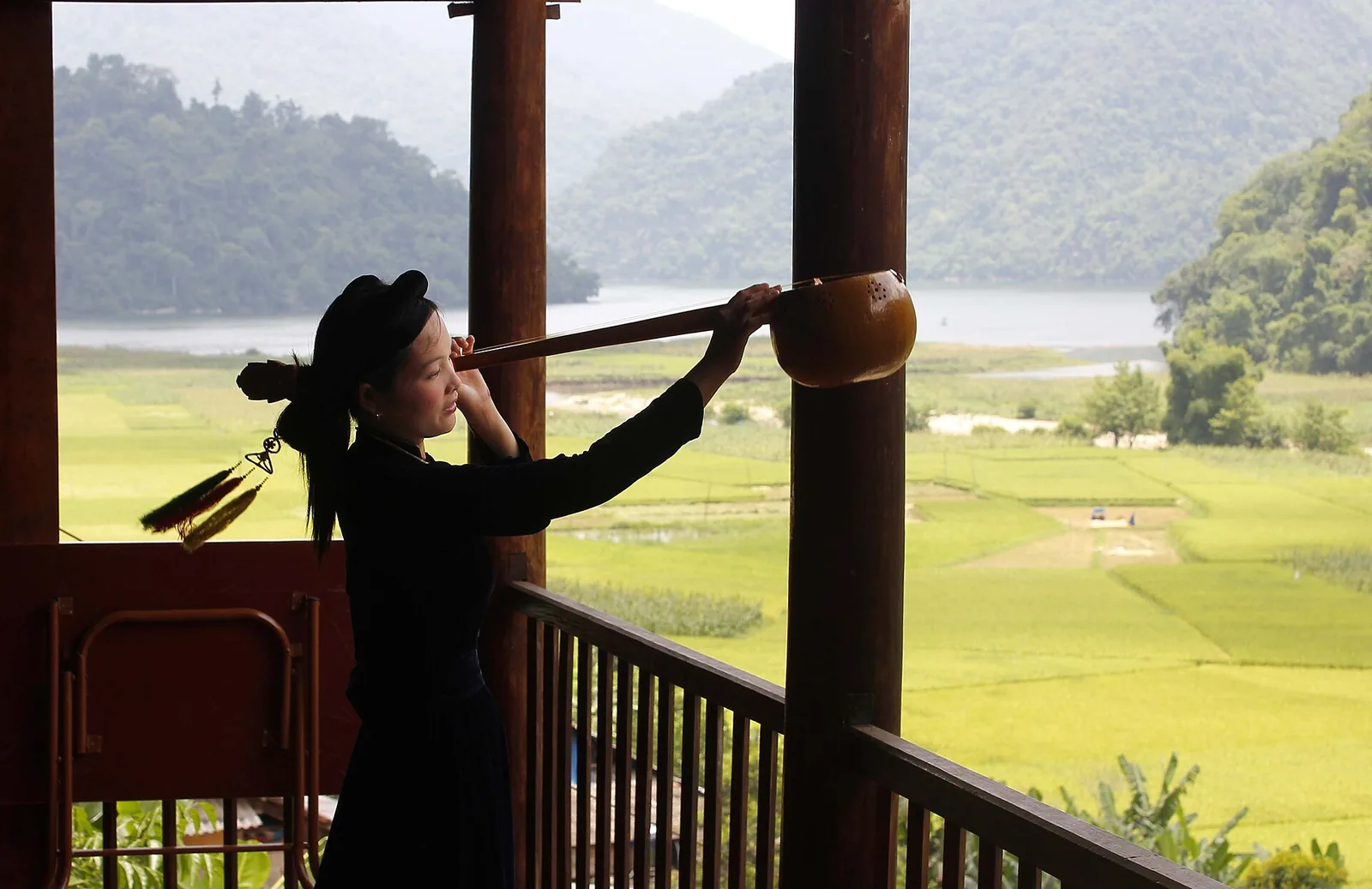
UNESCO inscribed the practices of Then among Tày, Nùng and Thái communities in 2019. Singing and the tính lute belong to a spiritual tradition connected with hopes for wellbeing and harmony. If your host offers an introduction, ask about its meaning; do not assume every ceremony exists for visitors.
The most rewarding hour is not on a checklist
A lake boat trip shows the scale of Ba Be, but the more memorable moment may be the hour before breakfast. Autumn and spring often feel comfortable; mist, rainfall and river conditions vary. Use an authorised passenger boat with life jackets, and check current water-activity restrictions locally.
Book a village room before fixing the route. Your host can confirm the right pier, whether Puông is accessible, and what to leave for another day. Ba Be rewards curiosity more than a checklist.